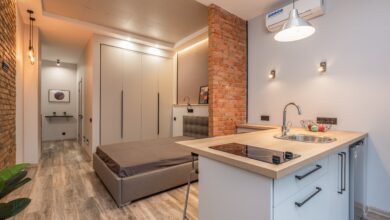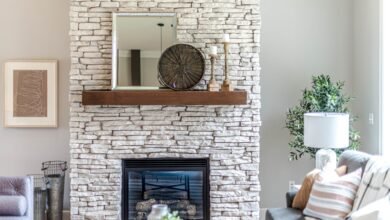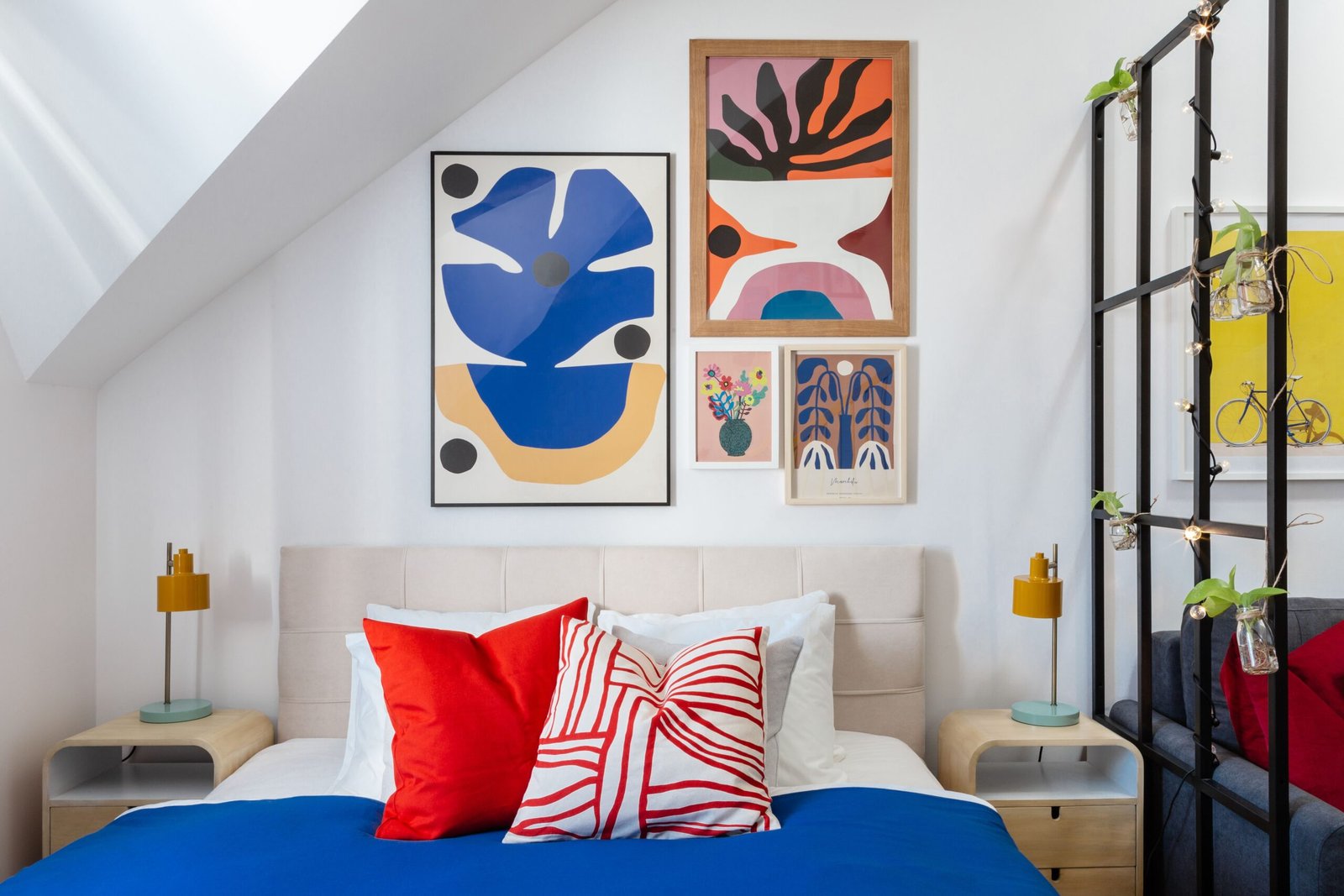
A blank wall can make a room feel unfinished, and a single large painting does not always fix it. Gallery Wall Ideas That is where gallery wall ideas come in. A well-planned gallery wall lets you combine prints, photos, mirrors, and even plates into one cohesive display that reflects your taste. It works on a narrow hallway, above a sofa, up a staircase, or beside a bathroom sink.
The difference between a gallery wall that looks designed and one that looks random comes down to planning. Gallery Wall Ideas This guide gives you the exact measurements, layout options, and room-by-room gallery wall ideas you need to build one with confidence, whatever your budget.
Start With a Plan Before You Touch the Wall
Most regrets come from skipping this stage. Gallery Wall Ideas Spend twenty minutes here and you will save yourself a wall full of unwanted nail holes.
Pick a unifying thread. Every successful gallery wall has one thing that ties it together. Gallery Wall Ideas It might be a color that repeats, a frame finish, a subject such as botanicals or travel photos, or a consistent mat size. You can mix almost everything else, as long as one element stays constant.
Measure your space. Measure the width and height of the wall or the furniture below it. Write the numbers down. If you are hanging above a sofa, console, or bed, your gallery wall should be about two-thirds to three-quarters of the furniture’s width. That proportion keeps the display looking connected to the piece beneath it instead of floating.
Choose an anchor piece. Start with your largest or most striking piece. Position it near the visual center, then build outward. Everything else supports it.
Make paper templates. Trace each frame onto kraft paper or newspaper, cut the shapes out, and tape them to the wall with painter’s tape. Step back, move them around, and live with the layout for a day. Gallery Wall Ideas Mark the nail position on each template so you can hammer straight through the paper.
Arrange on the floor first. Lay your frames out on the floor, photograph the arrangement from above, and use the photo as your reference while hanging.
The Measurements That Make a Gallery Wall Look Professional
Numbers remove guesswork, so keep these handy:
- Spacing between frames: 2 to 3 inches (about 5 to 8 cm). Gallery Wall Ideas Tighter spacing reads as one composition, while wider spacing feels airier. Pick one gap and keep it consistent.
- Center point: Aim for the center of the whole arrangement to sit at about 57 to 60 inches (145 to 152 cm) from the floor, which is average eye level.
- Above furniture: Leave roughly 6 to 8 inches (15 to 20 cm) between the top of a sofa, console, or headboard and the bottom of the lowest frame.
- Hanging hardware: Use picture hooks rated for your frame’s weight. Heavy frames and mirrors need wall anchors or studs.
- Basic tools: Tape measure, level, pencil, painter’s tape, hammer, and picture hooks.
If you like to keep your wall intact until the last moment, hang frames in this order: anchor piece, then pieces on either side, then fill outward, checking the level every few frames.
Gallery Wall Layouts to Choose From
Your layout sets the whole mood, so decide on it early.
The grid. Identical frames in equal rows and columns, such as three across and two down. It is formal, calm, and ideal for modern or minimalist rooms. It also demands precision, because any crooked frame stands out immediately.
The salon style. Frames of mixed sizes fill the wall in a dense, layered arrangement, often from near the floor to near the ceiling. It is the most personal and forgiving style because slightly uneven gaps disappear in the crowd.
The horizontal row. Three to five frames in a single line above a sofa, bed, or sideboard. It is the easiest layout and works well in rooms with lower ceilings.
The vertical column. Two to four frames stacked in a narrow line suit slim walls between windows, beside a door, or in a tight entryway.
The L-shape or corner layout. Frames wrap around a corner or run along two adjacent walls, which makes use of awkward spaces that are hard to decorate any other way.
The staircase diagonal. Frames follow the angle of the stairs, stepping up with each stair. Gallery Wall Ideas Keep the center of each frame at a similar distance from the stair line so the arrangement rises smoothly.
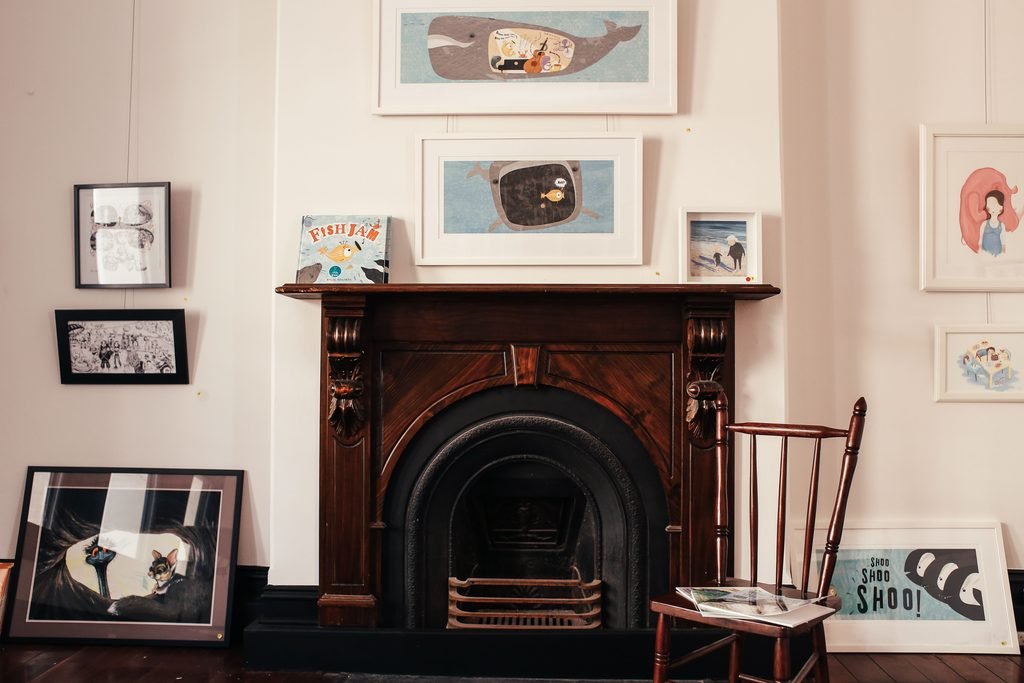
Room-by-Room Gallery Wall Ideas
Living Room: Above the Sofa
This is the classic spot, and it works because the sofa gives the display a natural base. Keep the arrangement to about two-thirds of the sofa’s width, and leave the 6 to 8 inch gap mentioned above. Gallery Wall Ideas A horizontal row of three to five frames feels clean, while a salon style cluster feels richer and more collected. If your sofa is a bold color, repeat that color in one or two prints to link the wall to the furniture.
Bedroom: Over the Headboard
A bedroom gallery wall should feel calm. Use softer subjects such as landscapes, line drawings, or black and white photography. Stay within a limited palette, and keep the arrangement centered on the bed. A gallery wall that is a little narrower than the headboard gives a tidy, balanced result.
Entryway and Hallway
Narrow walls suit vertical columns and slim rows. Use the edges of a console table or a pair of lamps as the boundary and arrange the frames above it. Because hallways are walked past rather than sat in, bold prints and strong colors can carry the space without feeling overwhelming. Make sure frames do not stick out so far that they get bumped in a tight corridor.
Staircase Wall
A staircase gives you a long, angled wall that is often left bare. Follow the slope with your arrangement, or use a more relaxed salon cluster. Plan with paper templates here, because stairs make it harder to judge distances by eye. Choose frames with secure hanging hardware, since people brush against stairwell walls more often than other walls.
Dining Room
The wall above a sideboard or buffet is the natural home for a dining room gallery wall. Include food-related prints, botanical art, or a few decorative plates for a relaxed feel. Since people tend to sit and look at this wall during meals, it can handle slightly more detail than a hallway.
Kitchen
Kitchens can hold art, but heat, steam, and grease are real concerns. Keep pieces away from the stove and sink, choose a wall opposite the cooking area or beside a dining nook, and favor framed prints behind glass that you can wipe clean. Inexpensive prints are a smart choice here, since you will not mind if they age faster than art in other rooms.
Bathroom
Bathrooms can host a small gallery wall if you take humidity seriously. Make sure the room has good ventilation, use prints you can replace easily, and keep the artwork away from direct shower spray. Using spacers between the print and the glass inside the frame helps prevent moisture from sticking to the artwork. A compact vertical grouping beside the mirror or above the toilet fits neatly.
Nursery and Kids’ Rooms
Choose a theme such as animals, the alphabet, or travel, and plan for the wall to grow with the child. Gallery Wall Ideas Include a few frames you can swap out easily, so a new drawing or school certificate can go up without redoing the whole layout. For a kid’s art wall, use clip-style frames or a wire display so children can change pieces themselves.
Home Office
A home office gallery wall can motivate and inspire while keeping the room professional. Gallery Wall Ideas Mix framed prints with a calendar, a small whiteboard, or a pinboard. Keep the arrangement within your line of sight from the desk, so it is something you actually enjoy looking at rather than an afterthought behind you.
Around a Television
A gallery wall can soften the black rectangle of a TV. Keep surrounding frames close in scale to the screen so the television does not dominate, and include a few darker pieces to balance its visual weight. Arrange frames on all sides rather than only above and below.
Narrow Walls and Small Spaces
A narrow wall does not need a large collection. Even a wall only about 31 inches (79 cm) wide can hold a vertical arrangement of three to five frames. In a small room, a vertical gallery wall also draws the eye up, which makes the ceiling feel higher.
Beyond Framed Prints: Objects That Belong on a Gallery Wall
The most interesting displays mix flat and dimensional pieces. Try these alongside your frames:
- Plates and ceramics. Hang decorative plates with plate hangers, or lean them on a picture ledge. Gallery Wall Ideas A set of blue and white plates mixed with prints adds texture and a collected feel.
- Mirrors. A mirror reflects light and adds depth. Place it near the center of the arrangement or use a small cluster of round mirrors for a graphic effect.
- Woven baskets and wall hangings. Baskets, tapestries, and macramé bring texture to a wall full of glass and paper.
- Shelves and ledges. A narrow picture ledge under or within the arrangement lets you swap items easily and lean frames instead of nailing every piece.
- Sconces. Wall lights on either side of a gallery wall frame the display and double as lighting.
- Pressed botanicals. Press leaves or flowers between sheets of paper and frame them as inexpensive nature art.
How to Choose Frames and Mats
You can match frames or mix them, as long as you do it on purpose.
Matching frames in one color, such as black, white, or oak, create a clean, cohesive look where the art does the talking. This is the safest choice if you are new to gallery walls.
Mixed frames work when they stay in one color family, such as black, charcoal, and dark wood, or white, cream, and natural timber. Variation in finish adds a collected feel without chaos.
Mats change everything. A wide white mat makes smaller prints feel important and gives the eye breathing space, which is often called negative space. Colored mats, such as muted green, soft blue, or burgundy, can pick up a color in the room. Keeping mat width consistent across frames helps unify a mixed set.
If a frame is too big or small for your print, a custom mat opening is a cheap fix that makes ordinary prints look like they were framed professionally.
Choosing Art, Photos, and Color
Mix mediums. Combine photography, line drawings, paintings, and typography so the eye keeps moving.
Use black and white for family photos. Photos taken at different times, with different lighting and color casts, look cohesive when converted to black and white. It is the easiest way to turn a stack of snapshots into a polished display.
Repeat a color. Pick one or two shades from your sofa, rug, or curtains and echo them in your prints. Gallery Wall Ideas That repetition makes the wall feel like part of the room.
Add one surprise. One unexpected piece, such as a hand-painted letter, a vintage poster, or a small sculpture, keeps the arrangement from looking too predictable.
Tell a story. Travel prints, a collection of maps, botanical illustrations, or children’s artwork each give your gallery wall a clear theme that guests understand at a glance.
Gallery Wall Ideas on a Budget
A gallery wall does not need expensive art.
- Print your own. Download free public-domain art, or print your own photographs at a local print shop.
- Frame everyday items. Fabric scraps, wrapping paper, postcards, maps, and children’s drawings all look good in a simple frame.
- Thrift and repaint. Secondhand frames cost very little. Gallery Wall Ideas Paint them all one color to unify a mismatched set.
- Start small and expand. Hang an anchor piece and two or three supporting pieces, then add to the wall over time. A gallery wall can grow as your collection grows.
- Use fewer, larger pieces. Three or four large prints can make as strong a statement as twenty small ones and often cost less to frame.

Mistakes to Avoid
- Hanging too high. The most common error. Gallery Wall Ideas Keep the center of the arrangement near 57 to 60 inches from the floor.
- Skipping the plan. Always test with paper templates or a floor layout before hammering.
- Inconsistent gaps. Choose a spacing between 2 and 3 inches and stick to it. Uneven gaps are more noticeable than almost any other error.
- Making it too small for the furniture. A tiny cluster above a large sofa looks lost. Aim for about two-thirds to three-quarters of the furniture’s width.
- No unifying element. Without a repeated color, frame style, or theme, the wall looks cluttered.
- Ignoring the room’s conditions. Humidity in bathrooms and heat in kitchens can damage art. Protect or choose pieces accordingly.
- Using weak hardware. Heavy frames and mirrors need proper anchors. Gallery Wall Ideas Check weight ratings before you hang.
- Not leaving room to grow. If you plan to add pieces later, leave a few gaps or use a ledge.
Frequently Asked Questions
How many pieces should a gallery wall have?
There is no fixed number. A small wall can look great with three to five pieces, while a large wall may hold ten to twenty. Let the size of your wall and furniture decide, not a target count.
How far apart should frames be on a gallery wall?
Between 2 and 3 inches (5 to 8 cm) is the usual range. Consistency matters more than the exact number.
How high should I hang a gallery wall?
Center the whole arrangement at about 57 to 60 inches (145 to 152 cm) from the floor. Above furniture, leave 6 to 8 inches (15 to 20 cm) between the furniture and the lowest frame.
Should all frames match?
No. Matching frames give a clean, formal look, while mixed frames in a related color family give a relaxed, collected feel. Choose one approach deliberately.
Can I make a gallery wall without damaging my walls?
Yes. Adhesive picture strips work for lighter frames, and a picture ledge lets you lean frames without nails. Heavy pieces still need proper hooks or anchors.
Final Thoughts
The best gallery wall ideas share the same foundation: a clear plan, consistent spacing, a unifying element, and pieces you genuinely love. Gallery Wall Ideas Measure your wall, test your layout with paper, choose frames on purpose, and hang from the anchor piece outward. Start with a small arrangement if you feel unsure, and let it grow. Gallery Wall Ideas With the right planning, an empty wall becomes the most personal part of your home.