
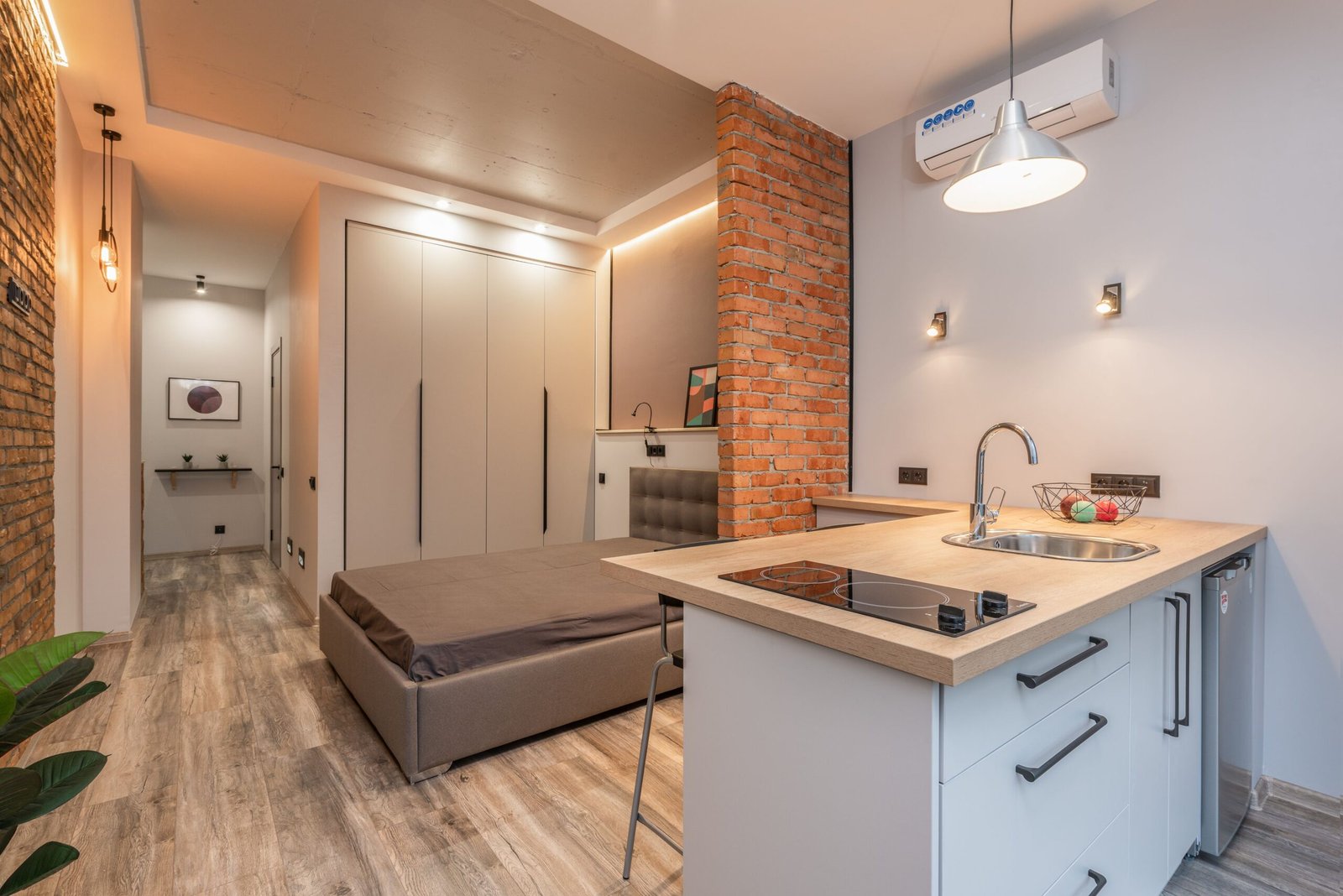
Knowing how to organize a small apartment is less about buying storage and more about doing things in the right order. First decide what deserves your limited space. How to Organize a Small Apartment Then give every item a fixed home, use the height and hidden corners you already have, and keep a short routine going. How to Organize a Small Apartment This guide walks through each step, room by room, with real measurements, budget options, renter-friendly fixes, and safety checks that most organizing advice leaves out.
Quick Answer
To organize a small apartment, declutter first, measure your space, assign a zone to each activity, store things upward and out of sight, choose furniture that works twice, and keep a 10-minute daily reset. How to Organize a Small Apartment The most common mistake is buying bins and shelves before decluttering, which only gives clutter a nicer container.
Key Takeaways
- Declutter before you buy any bins, shelves, or organizers.
- Measure ceilings, walls, door swings, and under-bed height before shopping.
- Give every item one home, and keep daily items between knee and shoulder height.
- Go vertical and use hidden areas: over doors, under beds, behind furniture.
- Treat power strips, batteries, medicines, and documents with extra care.
- Follow a one-in, one-out rule so clutter does not creep back.
Why Small Apartments Fill Up So Fast
Clutter builds whenever the amount of stuff is greater than the number of places for it to live. A large home hides that mismatch for years. A small apartment shows it within weeks, because every item without a home ends up on a counter, a chair, or the floor. There are only two fixes: own less, or create more homes. The best results come from doing the first one thoroughly and the second one carefully.
Step 1: Measure and Map Your Space
Before you shop, spend fifteen minutes with a tape measure and a notepad. Write down:
- Ceiling height. Most apartment ceilings are about 8 feet (96 inches), How to Organize a Small Apartment which leaves a lot of empty wall above doors, windows, and furniture.
- Under-bed clearance. Many bed frames leave between 6 and 18 inches.
- Closet depth and rod height. A standard closet is about 24 inches deep.
- Door swing arcs. Storage should never block a door from opening fully.
- Walkway width. Keep main paths at least 30 inches wide, and 36 inches if you can.
Then sketch a rough floor plan and mark three things: where things get dropped, where things get lost, and where space sits unused. How to Organize a Small Apartment Those three marks tell you what to fix first and prevent impulse purchases that do not fit.
Step 2: Declutter With a Clear System
Decluttering is the step that makes everything else work. Storage added on top of clutter just hides it for a while.
Sort by category, not by room. Pull out one category at a time, such as clothes, books, kitchen tools, or paperwork, so you see everything you own of that type in one place. How to Organize a Small Apartment Place each item into one of four groups: keep, donate, sell, or toss and recycle.
Use four simple tests.
- The one-year test. If you have not used it in 12 months and it is not seasonal or truly sentimental, let it go.
- The repurchase test. Would you buy it again today at full price?
- The duplicate test. Keep the best one and release the rest.
- The space test. If it has no home that fits, it does not stay.
Set category limits. Limits turn hard decisions into easy ones. For example: two sets of sheets per bed, three or four towels per person, and one set of dishes per regular household member plus a few extras for guests. Pick your own numbers and write them down.

Follow a seven-day plan. About 30 to 45 minutes a day is enough.
- Day 1: paper, mail, and documents
- Day 2: bathroom
- Day 3: kitchen
- Day 4: clothes, shoes, and bags
- Day 5: living room and entertainment
- Day 6: entryway, closets, and miscellaneous items
- Day 7: take everything that is leaving out of your home
Move items out fast. Donate usable goods, sell higher-value items through local resale groups, and recycle textiles and electronics at proper drop-off points. How to Organize a Small Apartment Do not keep a donation bag for more than a week. After that it becomes clutter by another name.
Step 3: Assign a Zone to Every Activity
A zone is one area with one purpose and its tools stored right there. How to Organize a Small Apartment Typical zones include a coffee zone, a mail zone, a charging zone, a laundry zone, and a workout zone. In a studio, you can mark zones with a rug, a shelf, or a lamp instead of walls.
Store things where you use them. Daily items belong within arm’s reach, between knee and shoulder height. How to Organize a Small Apartment Weekly items can sit higher or lower. Rarely used items go at the top or back. When every activity has its own spot, putting things away takes seconds, and that is what keeps a small space tidy.
Step 4: Use Vertical Space
Most apartments waste the top third of every wall. Using it frees floor space without adding furniture.
- Add shelving above door frames and windows for items you use rarely.
- Choose a tall, narrow bookcase of 72 to 84 inches, and secure it to the wall with an anti-tip strap.
- Pick shallow shelves, about 8 to 12 inches deep, for books and pantry goods so nothing disappears at the back.
- Hang pots, mugs, and tools from rails or hooks.
- Use shelf risers and stackable bins to turn one shelf into two levels.
- Keep heavy items low and light items high.
Step 5: Find Hidden Storage
Hidden storage keeps surfaces clear, which makes a room look larger.
- Under the bed. Low-profile bins about 5 to 6 inches tall hold off-season clothes and spare linens. Bed risers can add 4 to 8 inches, but only use risers rated for the bed’s weight.
- Behind doors. Over-the-door hooks and racks hold shoes, cleaning supplies, and wraps. Check your door thickness first, because most interior doors are about 1 3/8 inches thick.
- Behind the sofa. A console table 10 to 12 inches deep adds a surface and a shelf.
- Inside cabinet doors. Small racks hold lids, wraps, and cleaning tools.
- Between appliances. A slim rolling cart, 6 to 8 inches wide, fits gaps that are otherwise wasted.
- Top of the wardrobe. Lidded boxes keep rarely used items dust-free.
Step 6: Choose Furniture That Does Double Duty
In a small apartment, every large piece should earn its footprint twice.
- A storage ottoman or bench that seats guests and hides blankets
- A bed with drawers or a lift-up base
- A fold-down or wall-mounted desk
- A drop-leaf or extendable table that seats two daily and four to six when open
- A lift-top coffee table that doubles as a laptop or dining surface
- An open bookcase that works as a room divider in a studio
Before you buy, check three things: it fits through your door, it leaves a path at least 30 inches wide, and it either stores something or serves a second purpose. How to Organize a Small Apartment Furniture on legs shows the floor beneath it, and a visible floor makes a room feel bigger.
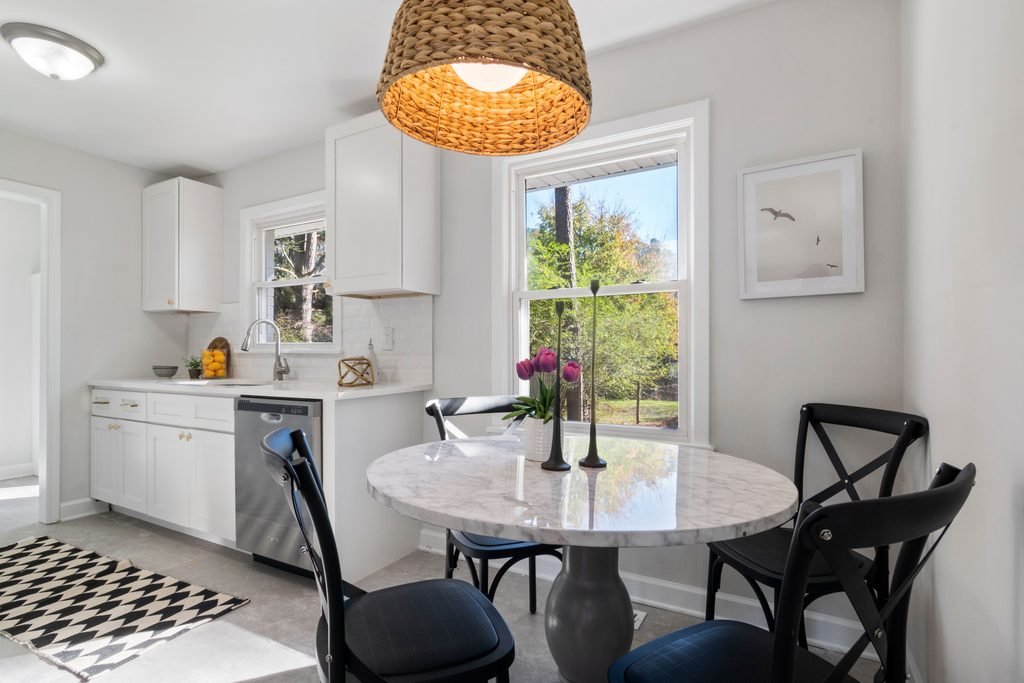
How to Organize Each Room
Entryway
Install hooks at two heights, about 60 inches for adults and lower for children or bags. How to Organize a Small Apartment Add a slim shoe rack or tray, a small dish for keys, and a mirror. Keep only the shoes you wear this week by the door and store the rest in the bedroom. A narrow shelf above the hooks holds hats and baskets.
Living Room
Choose seating with built-in storage or pair a sofa with a storage ottoman. Keep the coffee table to two or three items. How to Organize a Small Apartment Use lidded baskets for throws, remotes, and games. How to Organize a Small Apartment Run cables along the wall edge with clips, and keep media equipment in a closed cabinet. Floating shelves above the sofa can hold books and decor, but keep heavier objects on lower shelves.
Kitchen
Apply a counter rule: only items used every day stay out. Use the insides of cabinet doors for lids and cleaning tools, vertical dividers for baking sheets and cutting boards, and a rail for utensils. A stackable shelf doubles plate and bowl space in a cabinet. Decant dry staples into clear, labeled containers with purchase dates. Store heavy pots in lower drawers, and buy smaller package sizes unless you will use the contents before they expire.
Bedroom
Use under-bed bins for off-season items and spare linens. Fold clothes so they stand upright in drawers, which lets you see every item at once. Add a hanging rod extender to double rod space in a closet, and place a small bin on the closet floor for shoes or bags. Keep nightstands to a lamp, a book, and a charger, and choose a nightstand with a drawer.
Bathroom
An over-the-toilet shelf adds storage without using floor space. Use wall or door hooks for towels, a tension-rod caddy in the shower, and drawer dividers for small items. Group products in small baskets by category: skin care, hair, dental, and first aid. Keep one backup of each daily product instead of five.
Laundry Area
Use a hamper with separate sections so sorting happens as you undress. Add a shelf above the machine for detergent, and a slim rolling cart between the machine and the wall. A folding drying rack can hang behind a door when not in use.
Home Workspace
A wall-mounted or fold-away desk saves floor space. How to Organize a Small Apartment Use a vertical file for papers, a box for cables, and a tray for daily tools. Clear the desk at the end of the workday so your living space returns to normal.
Renter-Friendly Ideas That Need No Drilling
- Adhesive hooks and strips. Check the weight rating, clean the surface first, and wait the recommended time before loading. They hold poorly on textured paint and some wallpaper.
- Tension rods. Use them inside cabinets, under sinks, and in windows to hang cleaning supplies, scarves, or small curtains.
- Over-the-door organizers. These add storage with zero marks on the wall.
- Freestanding shelves and rolling carts. Easy to move when you change homes.
- Magnetic strips. Attach them inside cabinets or on the side of a fridge for metal tools.
Read your lease before changing anything on the walls. Tall furniture can tip, so use an anti-tip strap and ask your landlord about small anchor holes if needed.
Budget Guide
| Budget | What to do |
| Free | Declutter, rearrange furniture, reuse jars and shoeboxes as drawer dividers |
| Under $25 | Adhesive hooks, an over-door rack, drawer dividers, labels, an under-bed bin |
| Under $100 | A slim rolling cart, a storage ottoman, a tall bookcase, a tension-rod set |
| Worth saving for | A wall bed, a modular closet system, custom shelving |
Prices vary by region and quality, so treat these tiers as a planning guide.
Safety Checks Most Organizing Guides Skip
- Power strips and cords. Plug strips directly into a wall outlet, never into each other. Keep them in open, ventilated spots away from bedding and fabric, and do not tuck them inside closed drawers where heat cannot escape. How to Organize a Small Apartment A strip with surge protection and overload shut-off is a better choice.
- Batteries. Store loose batteries in a non-metal container or cover the terminals with tape so they cannot touch each other or metal objects. Keep lithium batteries cool and dry, and take damaged or swollen ones to a proper drop-off point.
- Medicines. Humid bathrooms are not ideal. Keep medicines in a cool, dry spot in a closed box or cabinet, out of children’s reach. Check expiration dates twice a year and use a pharmacy take-back program for old medicine.
- Documents. Passports, birth certificates, and ID cards belong in a locked, fire-resistant, water-resistant box. How to Organize a Small Apartment Keep encrypted scanned copies as a backup.
- Walkways and vents. Never block exits, heaters, vents, or smoke alarms with storage, and keep items off the floor in rooms that could get wet.

Habits That Keep a Small Apartment Organized
- Daily: a ten-minute reset to return items, clear surfaces, and wipe counters.
- One in, one out: when something new arrives, something old leaves.
- Weekly: a twenty-minute sweep of the fridge, mail, and laundry.
- Monthly: re-sort one zone, such as a closet or a drawer.
- Twice a year: swap seasonal clothes and check expiration dates.
- Maybe box: put uncertain items in a dated box. If you do not open it within 30 days, donate it.
Common Mistakes to Avoid
- Buying containers first. Declutter, then measure, then buy only what you need.
- Filling every inch. Leave 10 to 20 percent of closet and shelf space empty so items stay easy to reach and new items have somewhere to go.
- Storing on the floor. Floor clutter shrinks a room faster than anything else.
- Choosing oversized furniture. A piece that fits the door but blocks the path is the wrong piece.
- Building complicated systems. If putting something away takes more than two steps, it will not happen.
- Stockpiling in bulk. Big packs need storage you may not have.
Frequently Asked Questions
Where should I start when organizing a small apartment?
Start with paper and one drawer. Small wins build momentum. Then move through categories using the seven-day plan above.
How do I organize a studio apartment?
Divide the room into zones using rugs, shelves, or a bookcase. Use a bed with storage, keep sleeping and working areas visually separate, and store everything vertically.
How much stuff should I keep?
There is no universal number. Set limits by category, and measure success by whether everything has a home that fits.
What storage works if I cannot drill into walls?
Over-the-door organizers, tension rods, adhesive hooks within their weight rating, freestanding shelves, and rolling carts all work without drilling.
How often should I reorganize?
Do a quick reset daily, a zone check monthly, and a full review twice a year. A system that is easy to maintain rarely needs a full redo.
Final Thoughts: How to Organize a Small Apartment
A small apartment stays organized when the order is right: declutter, measure, assign zones, use height and hidden space, and keep a simple routine. How to Organize a Small Apartment Start with one category today, and let each cleared shelf show you how much space you already had.




One Comment