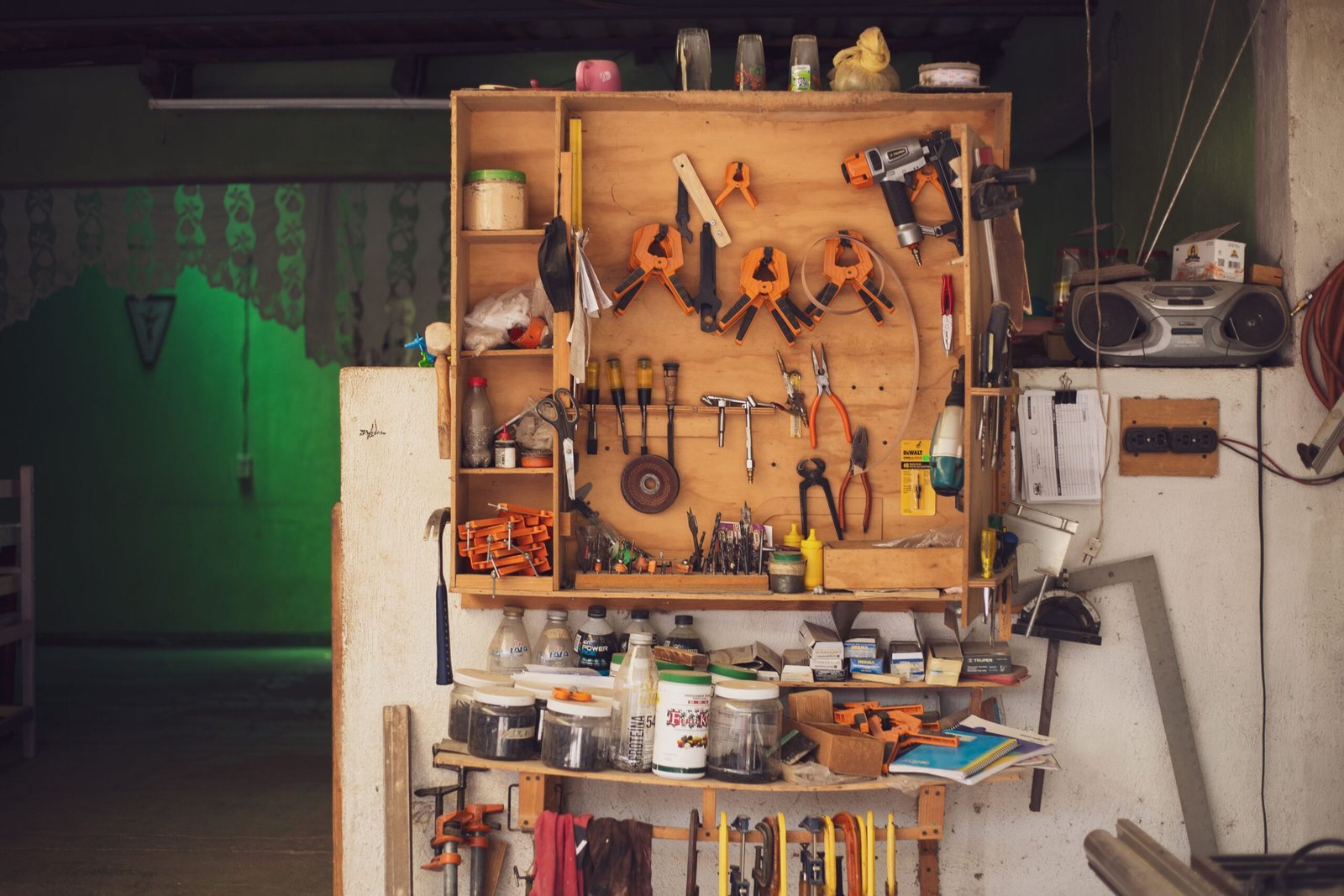
Most garages become a dumping ground for the same reason: nothing has an assigned home. How to Organize Garage Boxes get dropped by the door, tools drift to wherever there is room, and soon the car sits in the driveway. If you want to know how to organize garage space properly, the answer is not just buying more bins. It is a sequence: clear, sort, plan, store, label, and maintain.
This guide walks you through that sequence in 12 clear steps. How to Organize Garage It covers what to keep, what to throw out, what should never be stored in a garage, and which storage systems suit which items. How to Organize Garage It also includes safety checks, a budget breakdown, and answers to common questions.
Before You Start: Time, Tools, and Supplies
A full garage reset usually takes one long day for a single-car garage and a full weekend for a two-car garage that has years of clutter. How to Organize Garage Plan the work for dry weather, because you will need the driveway.
Gather these before you begin:
- Heavy-duty trash bags and a few cardboard boxes for donations
- Permanent marker and masking tape for temporary labels
- Broom, dustpan, shop vacuum, and a bucket
- Tape measure and a pencil
- Work gloves and closed-toe shoes
- A stud finder and a drill, if you plan to install shelves or hooks
Tell your household the date in advance so no one wanders off with the tape measure.
Step 1: Set a Goal for the Space
Before you touch anything, decide what the garage must do. Ask yourself:
- Do you need to park one car, two cars, or none?
- Do you want a workbench or hobby area?
- Do you need a “mudroom” drop zone near the house door?
- Is it mainly overflow storage for seasonal items?
Your answers decide how much floor space you protect. A common guideline is to leave about three feet beside each parked vehicle so doors can open fully. If parking matters, mark where the car sits with painter’s tape on the floor, and treat that area as off limits for storage.
Step 2: Empty the Garage Completely
This is the step most people skip, and it is the reason clutter returns. How to Organize Garage When everything stays in place, you keep the old layout by default. Emptying the garage forces you to decide on each item.
Move items onto the driveway or lawn in loose groups. How to Organize Garage Leave only permanent fixtures, such as built-in shelving, in place. If the weather turns, you can stage things in batches, one wall at a time, so nothing becomes a tripping hazard.
Step 3: Sort Everything Into Six Piles
As you carry items out, put each one into one of six groups:
- Keep in the garage: things you use at least a few times a year and that tolerate garage conditions.
- Keep elsewhere: documents, photos, and anything sensitive to heat, cold, or moisture.
- Donate: working items in good condition.
- Sell: higher-value items you are willing to list online or put in a yard sale.
- Recycle or hazardous waste: batteries, old electronics, paint, chemicals.
- Trash: broken, rusted, or unusable items.
Use a simple test for each item: “Have I used this in the last year, and do I know where it will live?” Seasonal items, such as holiday décor or snow shovels, pass the test even if you only use them once a year. Broken tools you have promised to fix for three years usually do not.
Step 4: Know What Should Not Be Stored in a Garage
Garages swing between hot and cold, and many are damp. Some items deteriorate quickly in those conditions or create safety risks.
Move these indoors:
- Important papers, family photos, and books, which can mold or warp
- Food, including canned goods, bulk food, and pet food. How to Organize Garage Temperature swings spoil food and can damage cans, and stored food can attract pests
- Electronics and musical instruments
- Candles, cosmetics, and medications
- Upholstered furniture and mattresses, which absorb moisture and attract pests
Handle these with care:
- Propane tanks: fire-safety guidance generally says to store them outdoors, upright, and never inside a home or attached garage.
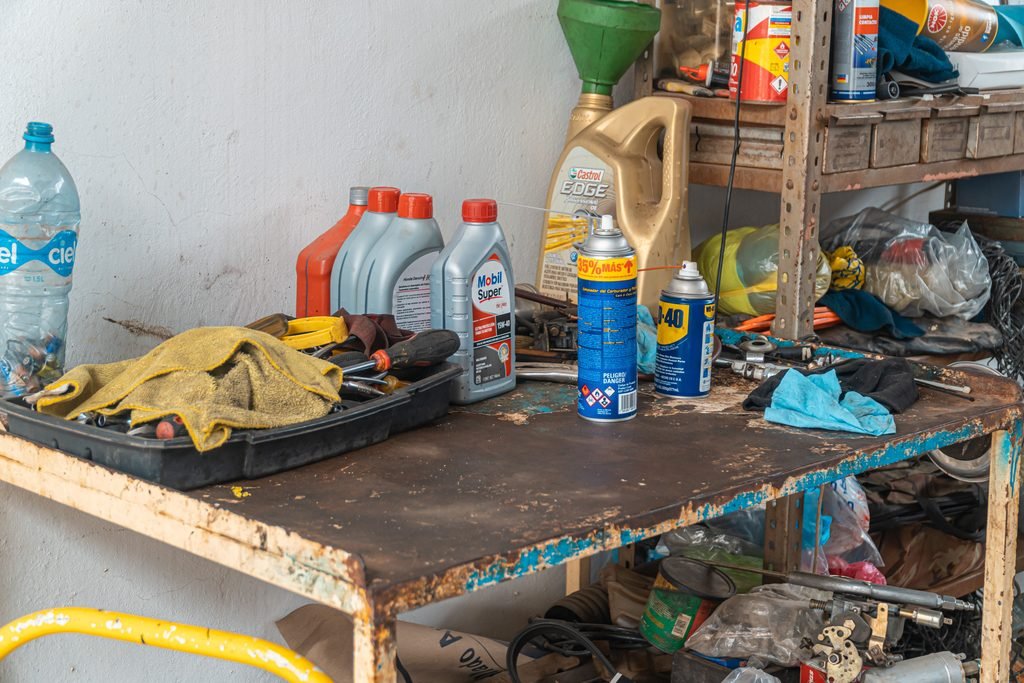
- Gasoline: keep it only in approved containers, in small quantities, away from heat sources, pilot lights, and water heaters.
- Paint: store it where it will not freeze or overheat. Dried-out or separated cans should be disposed of correctly, not kept.
- Pesticides and chemicals: keep them in original labeled containers, on a high shelf or locked cabinet, away from children and pets.
Check your local fire code and manufacturer labels, because rules differ by location.
Step 5: Dispose of Items the Right Way
Once the piles are sorted, act on them the same day while you have momentum.
- Donations: load them into the car right away. Many charities take furniture, tools, sports gear, and household items, but call ahead for large pieces.
- Items to sell: photograph them and list them within a week, or set a firm deadline and donate whatever does not sell.
- Batteries and electronics: these are not accepted in ordinary trash in many places. How to Organize Garage Check your local government’s website for collection days or drop-off sites.
- Paint and chemicals: use your area’s household hazardous waste program. How to Organize Garage Never pour them down a drain or onto the ground.
- Scrap metal and cardboard: break down boxes and recycle them, since empty cartons are one of the biggest sources of wasted space.
Step 6: Clean and Repair the Empty Space
With the garage empty, you have a rare chance to fix problems before shelves cover them.
- Sweep, then vacuum corners, rafters, and window ledges.
- Wipe down any existing shelves.
- Check for leaks, water stains, or pest droppings. Resolve these first, because storage will not fix a moisture problem.
- Look at the floor. Oil stains, cracks, and dust can be handled now with a degreaser or a concrete cleaner.
- Test lighting. Replace dead bulbs, and consider brighter LED fixtures, since a dim garage hides clutter and makes it harder to find things.
Step 7: Measure the Space and Map Your Zones
Now you can plan. Draw a rough floor plan on paper. Note wall lengths, door positions, outlets, windows, and the parking area.
Then assign zones. Group items by how you use them, and place each zone near where it is needed. How to Organize Garage A reliable layout looks like this:
| Zone | Best Location | Why |
| Everyday household and cleaning supplies | Near the door to the house | Short trips |
| Kids’ gear, sports, and shoes | Low shelves near the house door | Easy for children to reach and put away |
| Lawn and garden tools | Near the door that faces the yard | Less carrying |
| Car care supplies | Near the main garage door | Close to the driveway |
| Workbench and tools | A wall with outlets and good light | Power and visibility |
| Seasonal and rarely used items | High shelves and ceiling storage | Out of the way |
The rule that makes zones work is simple: items used often go at waist to eye level, items used rarely go up high, and heavy items go low. How to Organize Garage Lifting a heavy box from a high shelf is a common cause of injuries.
Step 8: Choose the Right Storage System
Different items need different solutions. Here is how the common options compare:
| Storage Type | Best For | Things to Know |
| Freestanding steel shelving | Bins, tools, paint, bulky items | Strong and movable; check the weight rating on each shelf |
| Wall-mounted shelves | Smaller bins, supplies | Frees floor space; must be anchored into studs |
| Closed cabinets | Chemicals, tools, anything you want hidden | Keeps dust out; can be locked |
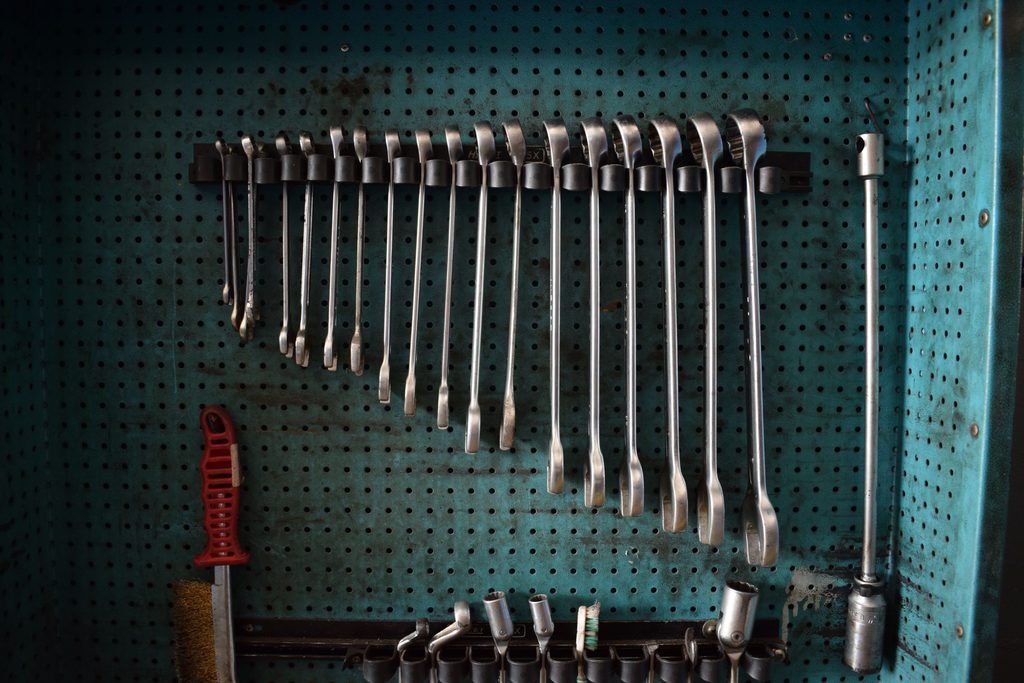
| Pegboard or slatted panels | Hand tools, garden tools, small accessories | Fully adjustable; follow the maker’s weight limits for each hook |
| Track and rail systems | Long-handled tools, bikes, bulky items | Flexible; hooks slide to new positions |
| Overhead racks | Holiday décor, camping gear, seasonal bins | Must be installed into joists; never exceed the rated load |
| Workbench with storage | Projects, repairs | Place near outlets |
Shelf depth matters. For general storage, a depth of around 16 to 24 inches is common. How to Organize Garage Shallower shelves keep items from getting lost at the back, while deeper ones suit large bins.
Measure your bins before you buy shelves, not after. How to Organize Garage This one habit prevents the classic mistake of buying storage that does not fit.
Step 9: Use Wall Space First
Walls are the biggest unused area in most garages. The key is to attach everything correctly.
- Use a stud finder to locate wall studs. In many homes, studs are spaced about 16 inches apart, though this varies.
- Anchor heavy shelves and rails directly into studs, not just drywall.
- Match every hook and bracket to the weight of what it holds.
- Hang long-handled tools such as rakes, brooms, and shovels with the working ends up or secured so they do not fall.
- Store bikes on wall hooks or a rail system, or hoist them overhead with a pulley kit. Check that they clear the garage door and car mirrors.
- Mount a small shelf or bin by the house door for keys, gloves, and helmets.
If your walls are masonry or finished, use hardware made for that material, and follow the manufacturer’s instructions.
Step 10: Use the Ceiling for Seasonal Items
Overhead storage is ideal for items you reach for only once or twice a year, such as holiday decorations, camping gear, and spare luggage.
Safety comes first:
- Mount racks into ceiling joists, not just the drywall.
- Never exceed the weight capacity stated by the manufacturer.
- Make sure the garage door and its opener track can still move freely, and that nothing sits in the door’s path.
- Use sturdy, lidded bins so the contents stay clean and secure.
- Keep heavy items lower and light bulky items overhead.
If you plan to store ladders or lumber near the ceiling, use brackets rated for the load, and place them away from the door.
Step 11: Take Care of the Floor
A cleaner floor makes the whole garage look larger and is easier to maintain.
- Keep shelving off the ground by a few inches when possible. How to Organize Garage This protects stored items from puddles and spills.
- Use floor mats or a drip tray under the parking spot to catch oil and salt.
- Consider a concrete sealer, epoxy coating, or interlocking floor tiles if you want a more durable and easier-to-clean surface. Each option needs proper surface preparation, so read the product directions.
- Keep walkways clear. If you can’t walk through the garage without stepping over something, the layout needs another look.
Step 12: Label Everything and Create a Maintenance Routine
Labels turn an organized garage into one that stays organized. Without them, family members guess where things go.
- Label bins on the front and the side, so they are readable on a shelf from either angle.
- Use specific names: “Camping: cooking” is better than “Camping stuff.”
- Use clear bins for items you need to see, and opaque bins when you prefer a tidy look.
- Add a simple map or list near the entrance if several people use the space.
- Match container sizes within each zone so they stack neatly.
Then build a routine. Spend ten minutes at the end of each season returning items to their zones. Do a ten-minute reset once a month, and repeat the full declutter process once a year. Small, regular effort is far easier than another all-day overhaul.
Small Garage? Use These Adjustments
If you are working with a one-car garage or a tight space, the same steps apply, but the priorities change.
- Go vertical. Choose tall shelving, wall rails, and overhead racks before floor-level storage.
- Keep the floor clear. Use fold-down workbenches, wall-mounted bike hooks, and tool racks.
- Move large items out. If lawn equipment takes up half the room, a small outdoor shed may free the garage for parking.
- Use multi-purpose pieces. A bench with built-in storage doubles as a seat and a place for shoes.
- Be stricter about what stays. In a small space, every item must justify its place.
A Realistic Budget Breakdown
You do not need to spend a lot to see a major improvement. Costs vary by region and brand, so treat these as general tiers:
- Low budget: reuse existing shelves, buy a few matching bins, add hooks and labels, and focus on decluttering. Selling unwanted items can offset the cost.
- Mid budget: add sturdy steel shelving, a pegboard or rail system, and overhead racks for seasonal items.
- Higher budget: install closed cabinets, a workbench, floor coating, and better lighting.
The best value is usually in the cheapest steps: decluttering, zoning, and labeling. How to Organize Garage Expensive storage placed on top of unsorted clutter only hides the problem.
Safety Checklist
Run through this once the garage is organized:
- Heavy items are stored low, and shelves are anchored.
- Overhead racks are attached to joists and not overloaded.
- Chemicals are in labeled containers, out of reach of children, and away from heat sources.
- The area around the water heater or furnace, if you have one in the garage, is kept clear.
- Walkways and exits are not blocked.
- A fire extinguisher is easy to reach and checked periodically.
- Garage door sensors and tracks are free of obstructions.
Common Mistakes to Avoid
Many people repeat the same errors. Here is what to skip:
- Buying storage before sorting. Declutter first, so you only buy what you need.
- Skipping the measuring step. Measure space and bins before you shop.
- Storing food or paper goods. Temperature swings and pests damage them.
- Ignoring weight limits. Overloaded hooks and racks can fail.
- Putting heavy items up high. This is a safety risk.
- Skipping labels. Without them, the system breaks down within weeks.
- Doing it once and never again. Garages need light, regular upkeep.
Frequently Asked Questions
How long does it take to organize a garage?
A one-car garage can often be finished in a day, while a two-car garage with years of clutter may take a weekend. Installing shelves, rails, or cabinets can add more time.
Where should I start when organizing a garage?
Start by emptying the space and sorting items into keep, donate, sell, recycle, and trash groups. How to Organize Garage Planning and buying storage come after that.
What is the best way to store items in a garage?
Use a mix: shelves for bins, wall rails or pegboard for tools, overhead racks for seasonal items, and cabinets for anything you want to protect. Place frequently used items at easy-to-reach heights.
Should I use clear or opaque bins?
Clear bins make contents easy to identify. Opaque bins look tidier and shield items from light. Either works if every bin is labeled.
How do I keep my garage organized long term?
Give every item a home, label it, and do a short monthly reset and a seasonal check. If something has no place, either create one or let the item go.
Is it safe to store items in the garage year-round?
Many items are fine, such as tools, sports gear, and sturdy bins. Food, documents, electronics, and fuel or chemicals need special care or a different location.
Final Thoughts: How to Organize Garage
Learning how to organize garage space comes down to a clear process, not a shopping trip. How to Organize Garage Empty it, sort it, remove what does not belong, map your zones, use walls and ceilings carefully, label everything, and keep a simple routine. How to Organize Garage Follow the steps in order, and you will end up with a garage that protects your belongings, keeps your family safe, and leaves room for the car.