

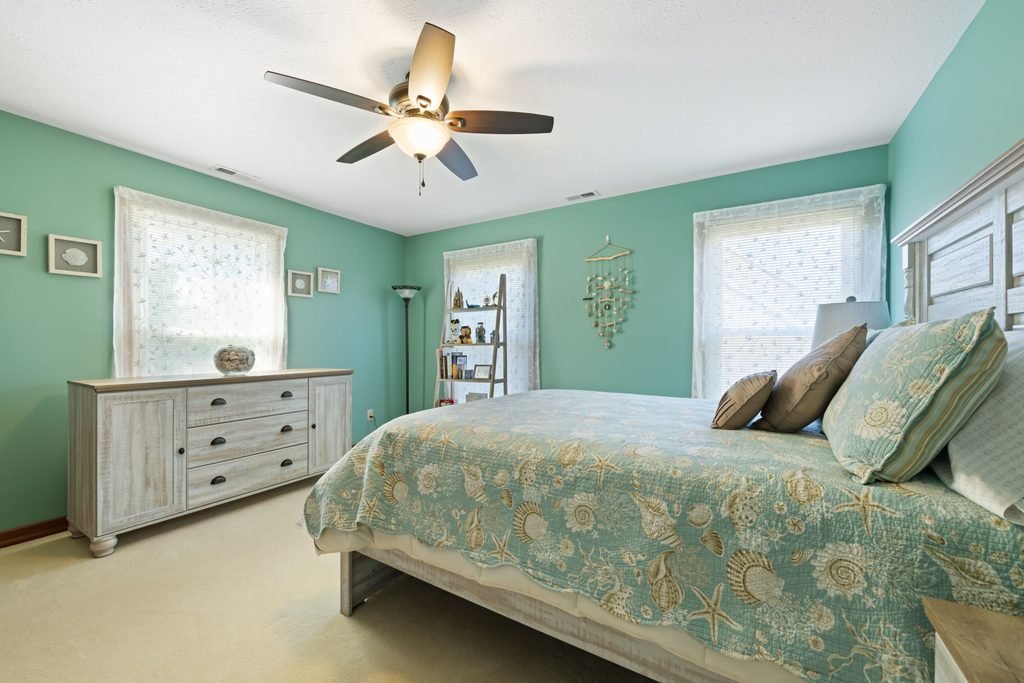
A sage green bedroom is one of the easiest ways to make a room feel calm without making it feel cold. Sage is a muted, grey-tinged green that behaves almost like a neutral: it works with white, wood, pink, rust, navy and black, and it suits modern, cottage, vintage and minimalist rooms alike.
The catch is that sage is also one of the trickiest greens to get right. Sage Green Bedroom The same shade can look grey in one room, minty in another and almost olive in a third. Most inspiration articles show you a pretty photo and stop there. This guide does the opposite: first the practical part (undertones, light, finish, sampling and quantities), then 20 ideas you can actually copy, then the mistakes to avoid.
What Exactly Is Sage Green?
Sage is green with a good amount of grey mixed in, which is why it feels soft and slightly dusty rather than bright. Think of the leaves of the herb it is named after. Within that family there are three broad directions:
- Warm sage (yellow-green undertone): feels sunny and earthy. Sage Green Bedroom It pairs well with cream, caramel wood and terracotta.
- Cool sage (blue-grey undertone): feels crisp and serene. It pairs well with white, grey, navy and silver or black metal.
- Neutral sage (balanced): sits in the middle and is the safest choice if you are not sure.
You do not need to memorize the theory. You only need to know which direction suits your room, and the next section shows you how to test it.
How to Choose the Right Sage for Your Room
Step 1: Read your light
Light changes color more than anything else in a bedroom.
- North-facing rooms get cooler, flatter light. Sage can drift toward grey or blue, so a warmer, yellow-leaning sage keeps the room from feeling chilly.
- South-facing rooms get warm, strong light. Almost any sage works here, and cooler versions stop the space from feeling too yellow.
- East-facing rooms are bright and warm in the morning and cooler later in the day.
- West-facing rooms look golden in the evening, which can turn a cool sage slightly olive after sunset.
If your room has little daylight, choose a lighter, warmer sage. Deep sage is lovely in a bright room, but in a dim one it can feel heavy.
Step 2: Check the light reflectance value
Many paint labels and color cards show a light reflectance value, or LRV, on a scale from 0 (absorbs all light) to 100 (reflects all light). A higher LRV makes a room feel brighter and more open. A lower LRV feels cozier and more enclosed. If you are painting a small or dark bedroom and want it to feel airy, pick the lighter end of the sage range. Sage Green Bedroom If you want a cocooning room, go deeper.
Step 3: Choose the right finish
- Flat or matte: the most forgiving on uneven walls and the softest look. It is a little harder to wipe clean.
- Eggshell: a slight sheen, easier to clean, and a good all-round choice for bedrooms.
- Satin: more durable, best for trim, doors, built-in cabinets and kids’ rooms.
- Ceilings: a flat finish is the usual choice because it hides flaws and reduces glare.
Step 4: Sample properly
Never judge sage from a small paper chip. Sage Green Bedroom Paint a large board (roughly two feet square) or a patch on the wall, and look at it:
- In the morning light
- In the afternoon
- At night under your actual bedroom lamps
- Next to your bedding, curtains and flooring
Give each sample at least a full day. Warm bulbs push sage toward yellow, while cool white bulbs push it toward grey, so test with the bulbs you actually use at night.
Step 5: Work out how much paint you need
A gallon of paint usually covers about 350 to 400 square feet per coat, but check the can. Sage Green Bedroom As a rough example, a 12 by 12 foot bedroom with 8-foot ceilings has about 384 square feet of wall space. Subtract roughly 40 to 50 square feet for a door and a window and you have around 335 to 345 square feet. Two coats means about 680 square feet, so plan on two gallons. If you are covering a dark color, add a coat of primer. If you are painting the ceiling and trim as well, buy extra.
Colors That Go With a Sage Green Bedroom
Because sage is muted, it is flexible. These combinations work well:
- White and cream: the classic pairing. It keeps the room bright and lets the green stay calm.
- Warm wood: oak, walnut and honey tones add warmth and make the green feel more natural.
- Blush and dusty pink: pink is a soft cousin of red, which sits opposite green on the color wheel, so the two flatter each other.
- Terracotta and rust: a bolder take on the same idea. Sage Green Bedroom Rust curtains or cushions make sage look richer.
- Navy and charcoal: adds depth and a more grown-up feel.
- Black accents: thin black frames, lamps or bed legs sharpen the look and keep it modern.
- Mustard and butter yellow: a cheerful, vintage-leaning combination.
- Lavender and plum: unusual but elegant, especially with a cool sage.
A useful rule is the 60-30-10 split: roughly 60 percent of the room in a main color (your sage walls), 30 percent in a secondary color (bedding, curtains, rug) and 10 percent in an accent (cushions, art, a lamp). Treat it as a guideline rather than a law.
20 Sage Green Bedroom Ideas
Walls and Paint Ideas
1. Paint all four walls. The simplest approach and the most restful. Sage Green Bedroom Choose an eggshell finish for easy cleaning and let the bedding and furniture do the styling.
2. Create an accent wall behind the bed. If you are nervous about commitment, paint only the wall behind your headboard. Keep the other walls warm white so the sage reads as a deliberate feature, not a patch.
3. Try color drenching. Paint the walls, trim, doors and even the ceiling in the same sage. Sage Green Bedroom The room feels enveloping and the lack of contrast makes a small bedroom look more tailored. Use a lighter finish on the ceiling than on the trim so surfaces still read as different.
4. Go two-tone. Paint the lower third of the wall in a deeper sage and the upper two thirds in a lighter one, with a neat rail or molding in between. It gives you depth without wallpaper.
5. Add board and batten. Painted in sage, this makes a strong feature wall. It is also a manageable weekend project: cut MDF strips, fix them with adhesive and brad nails, fill, caulk and paint.
6. Paint a headboard on the wall. A tall rectangle or an arch in a deeper sage behind the bed acts as a headboard, with no furniture to buy. It is especially useful in small rooms and rentals if you are allowed to paint.
7. Paint the ceiling too. A pale sage ceiling over white walls feels like a quiet surprise when you lie in bed. It works best in rooms with some natural light.
Beyond Paint: Textiles and Furniture
8. Use sage bedding on neutral walls. If you cannot paint, a sage duvet cover in linen or cotton brings the color in instantly. Add white or cream sheets to keep it fresh.
9. Hang sage curtains. Floor-to-ceiling curtains in a soft sage can create the illusion of a green wall behind the bed, and lined versions help block light in the morning.
10. Choose an upholstered sage bed frame. A headboard in a sage fabric becomes the focal point without the commitment of paint. Look for removable or washable covers.
11. Paint a piece of furniture. A dresser, wardrobe or bedside table in sage adds a handsome accent. Sage Green Bedroom Sand lightly, use a good primer and finish with a hard-wearing satin paint.
12. Layer a patterned rug. A rug with cream, rust or soft pink in the pattern ties the walls to the floor. Place it so at least the front two thirds of the bed sits on it.
Style-Led Ideas
13. Make it minimalist. Light sage walls, simple white bedding, one piece of art and a single plant. Sage Green Bedroom Clear the surfaces. Calm is as much about what you remove as what you add.
14. Go cottage. Pair pale sage with floral wallpaper on one wall, a quilt, wicker and a painted wooden bed.
15. Go modern farmhouse. Add paneling, an iron or black-framed bed, linen curtains and a woven jute rug.
16. Go boho. Rattan pendant lights, a cane headboard, macrame and a mix of patterned cushions suit sage’s earthy tone.
17. Go dark and moody. A deep, grey-leaning sage with dark wood, brass lamps and charcoal bedding makes an evening-friendly room. Use warm bulbs and dimmers so it feels cozy rather than gloomy.
18. Go vintage. Antique-style furniture, a metal bed painted in a soft cream, floral prints and a brass mirror look especially good against a slightly brownish sage.
19. Add natural materials and plants. Wood, rattan, jute and linen all enhance sage’s natural feel. Add a few easy-care plants such as a snake plant or pothos, placed where they get enough light.
20. Use mirrors and layered lighting. A large mirror opposite a window bounces light around a sage room and stops it from feeling dim. Combine a dimmable ceiling light, two bedside lamps and a soft night light.
Sage Green Bedroom Ideas for Special Situations
Small bedrooms
Small rooms do not need to be painted white to feel bigger. A light, slightly warm sage reflects plenty of light and softens corners. Keep the trim and ceiling in a lighter shade or match them for a continuous, calm look. Choose a bed with storage underneath, use wall-mounted lamps instead of table lamps, and hang curtains close to the ceiling to draw the eye upward.
Kids’ rooms and nurseries
Sage is a friendly choice for children because it suits any age and any gender. For a nursery or a toddler room, pair it with warm white, natural wood and soft neutrals, and add color through toys, books and art that you can swap as your child grows.
A few safety and comfort points matter more than the paint color:
- Choose low- or zero-VOC paint and finish painting well before the baby arrives. Keep the room ventilated for several days afterward.
- Anchor dressers and bookcases to the wall.
- Use cordless blinds or shades, and keep all cords out of reach.
- Keep the crib bare, with a firm mattress and a fitted sheet only, as recommended by pediatric safe sleep guidelines.
Rentals
If you cannot paint, you still have good options. Sage Green Bedroom Use peel-and-stick wallpaper in a sage pattern (test a small patch first), hang sage curtains, add a large sage rug and lean framed art against the wall instead of drilling. A sage upholstered headboard or throw blankets give you the color without touching the walls.
Guest rooms
Sage works beautifully in a guest room because it feels welcoming and spa-like. Sage Green Bedroom Add fresh flowers, a few extra pillows, a small tray with water and a lamp with an easy switch so guests feel looked after.
Lighting and Layout Tips for a Sage Bedroom
- Use warm bulbs (about 2700K) in bedside lamps. They flatter sage and feel restful in the evening.
- Layer your light. One dimmable overhead light is rarely enough. Add lamps at bed height and, if possible, a wall sconce.
- Control morning light. Blackout or lined curtains help create a dark room for sleep, but keep a lighter layer for the day.
- Keep the room cool. Many sleep experts suggest a bedroom temperature of roughly 60 to 67°F (15 to 19°C) for comfortable sleep. Choose breathable fabrics such as cotton and linen.
- Place the bed on a solid wall, away from direct draughts, and leave bedside space for a lamp and a glass of water.
How Much Does a Sage Green Bedroom Cost?
Costs vary widely by location and quality, so treat these as general ranges rather than quotes.
- Lowest cost: paint plus supplies for one room (paint, roller, brushes, tape, drop cloths, sandpaper, filler). Sage Green Bedroom This is usually the cheapest way to change a room.
- Mid-range: paint plus new bedding, curtains and a rug.
- Higher cost: adding board and batten, a custom headboard or professional painting.
A useful tip is to spend most on the things you touch every day, such as bedding, the mattress and the lamps, and keep decor cheap and easy to swap. Painting yourself costs far less than hiring someone, but good prep (cleaning, filling, sanding, taping) matters more than the brand of paint.
Common Sage Green Bedroom Mistakes
- Choosing from a tiny chip. Always sample on a large area and check it at several times of day.
- Ignoring undertones. If the sage looks too grey, minty or yellow, the undertone does not suit your light or your flooring.
- Forgetting the floor. Warm wood floors pull sage toward yellow, while cool grey floors pull it toward blue.
- Using cool white bulbs. They can make sage look flat and clinical at night.
- Skipping primer over dark colors. You may need extra coats and the old color can show through.
- Too many competing colors. Pick one or two supporting colors and repeat them.
- Skipping texture. A single flat color can feel dull. Add linen, wood, wicker or a chunky knit throw.
- Rushing the prep. Fill holes, sand glossy surfaces and clean the walls before you paint.
A Simple Weekend Plan
Friday evening: choose three sage samples, paint large patches and leave them overnight.
Saturday morning: pick the winner, move the furniture to the center, cover floors, fill and sand the walls, wipe them clean and tape the trim.
Saturday afternoon: cut in along the edges and roll the first coat. Let it dry according to the instructions on the can.
Sunday morning: apply the second coat, remove the tape while the paint is slightly tacky and let the room air out.
Sunday evening: return the furniture, make the bed with your new bedding and switch on your warm lamps.
Frequently Asked Questions
Is sage green a good color for a bedroom? Yes. It is muted and easy to live with, and it pairs with many palettes. How it makes you feel is personal, so choose a shade you find calming rather than relying on general claims about color.
What color bedding goes with sage green walls? White, cream, linen and soft pink are the safest choices. For more contrast, try rust, navy or charcoal. A patchwork quilt in warm tones works well in cottage-style rooms.
Does sage green go out of style? Trends change, but because sage is a muted, nature-based color it is easy to keep fresh. Updating the bedding, curtains and accessories is far cheaper than repainting.
What is the complementary color of sage green? On the color wheel, red sits opposite green, so soft pinks, rusts and terracottas are natural partners.
What finish should I use? Eggshell is a good all-round choice for walls, flat for ceilings, and satin for trim and cabinets.
Can I use sage green in a small bedroom? Yes. Choose a lighter, warm-leaning sage and keep the ceiling and trim light for a bright, airy feel.
Is sage green suitable for a nursery? Yes, it works for any child. Use low- or zero-VOC paint, paint early and ventilate well before the baby arrives.
Final Thoughts
A sage green bedroom succeeds when you match the shade to your light, sample it carefully and build around it with warm, natural textures. Start with one idea from this list: a painted accent wall, new bedding or a pair of sage curtains. Once you see how the color behaves in your own room, you can add more layers with confidence.


One Comment