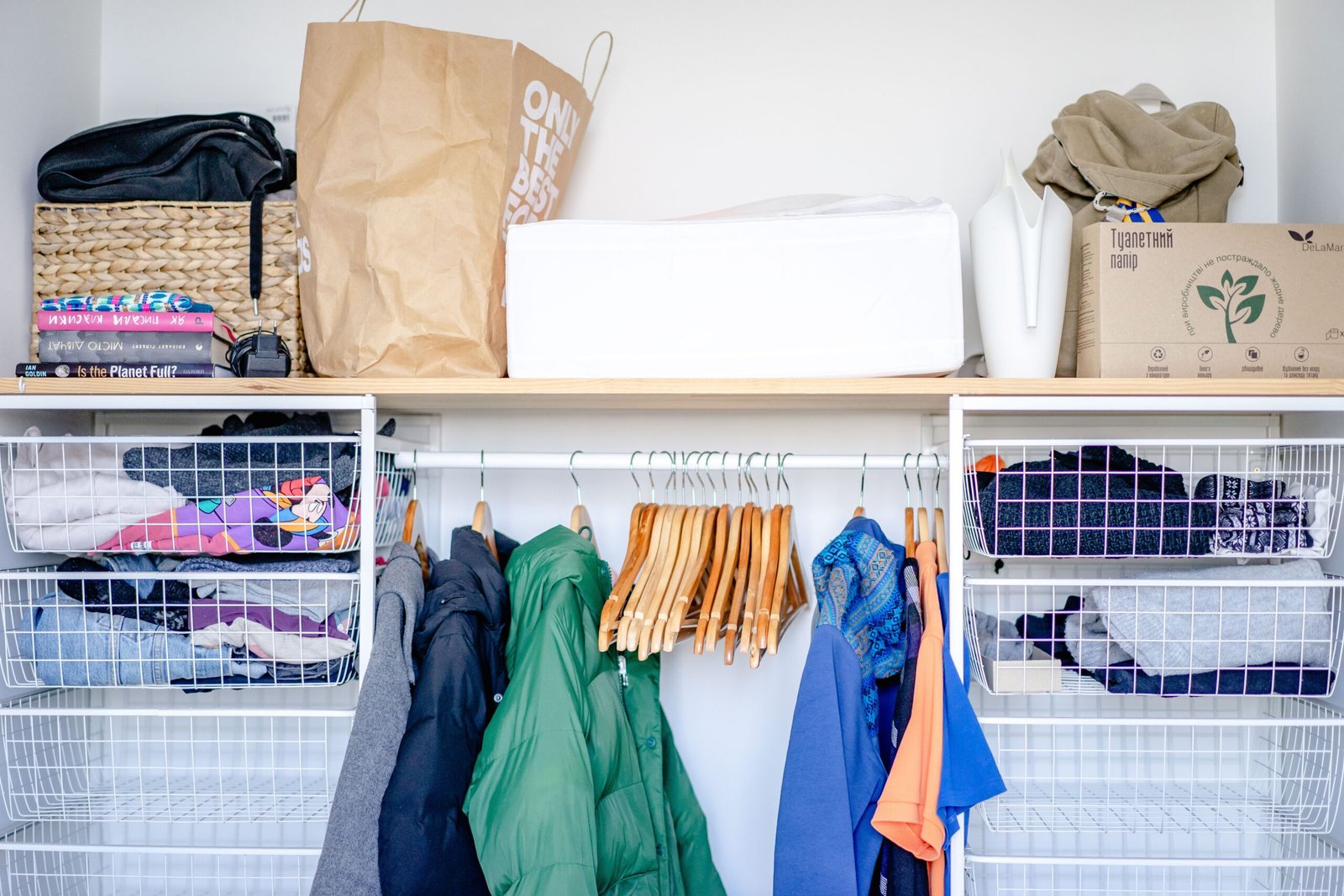
Linen closet organization sounds easy until you open the door and a stack of mismatched sheets slides onto your feet. Most linen closets get messy for one reason: they were filled over the years instead of planned once. Linen Closet Organization A new set of towels arrives, the old ones stay, and the shelves slowly become a home for anything that has no other place to go.
This guide takes a different route from a simple list of ideas. You will build a system in a fixed order: measure the space, decide how much you really need, place things by how often you reach for them, and set up small habits that keep everything tidy. It works for a full hallway closet, a narrow cabinet or a single wardrobe shelf. You will also find measurements in both inches and centimetres, a step-by-step fitted sheet fold, a safe way to deal with musty towels and a maintenance calendar that takes only a few minutes a month.
Why linen closet organization is worth the effort
A well-organized closet does more than look good. You find clean sheets at 11 p.m. when someone is unwell or a guest arrives unexpectedly. You stop buying duplicates because you can see what you own. Fabrics last longer when they stay dry, uncrushed and free from overfilled shelves. Everyone in the home, including children and older relatives, can fetch what they need without help. Keep four goals in mind: speed, visibility, fabric care and easy access. Linen Closet Organization Every step below supports at least one of them.
Step 1: Measure the space before you buy anything
The most common mistake in linen closet organization is buying baskets first. Containers that look perfect online are often too deep, too tall or too wide for the shelf they were meant for. Spend ten minutes with a tape measure and a notepad instead.
Record the following:
- Shelf depth. Many linen closets are shallow, and depth decides which bins fit. Linen Closet Organization A basket that sticks out past the shelf edge can stop the door from closing.
- Gaps between shelves. Measure from the top of one shelf to the underside of the shelf above it.
- Width of each section, including any side wall or divider.
- Door clearance. Leave about 1 inch (2.5 cm) of free space between the front of your containers and the closed door.
- Floor and door space, if either is available.
Sketch a simple outline of the closet and write the measurements on it. Keep a photo of that sketch on your phone. It will save you from returns and second guessing later.
Step 2: Empty, clean and inspect
Take everything out. A completely empty closet shows you what you actually own, which a half-emptied shelf never does. Lay items on a bed or clean table, grouped loosely by type.
With the shelves bare, wipe them down and vacuum the floor and corners. Linen Closet Organization Check for signs of moisture: a musty smell, dark spots on the wall, peeling paint or a warped shelf. If you find any, trace the cause (a leaking pipe, poor ventilation, a damp outside wall) and fix it before fabric goes back in. Linens stored in a damp space develop mildew quickly, and no folding method can fix that.
Inspect each linen as it comes out. Linen Closet Organization Look for holes, thin patches you can see light through, stains that survived several washes and smells that stay after laundering. These items should not return to the shelves.
Step 3: Sort into four piles, then set your numbers
Use four piles rather than the usual three:
- Keep: clean, intact items you actually use.
- Donate: clean linens in good condition. Many charities, shelters and animal rescues accept them, but call first because needs vary.
- Repurpose or recycle: worn towels make good cleaning rags, car-wash cloths or pet-bath towels. Linen Closet Organization Where textile recycling exists, use it for fabric that is too worn to reuse.
- Relocate: anything that is not a linen, such as spare batteries, tools or cleaning supplies. Medicines are safer in a high or locked cabinet, away from children.
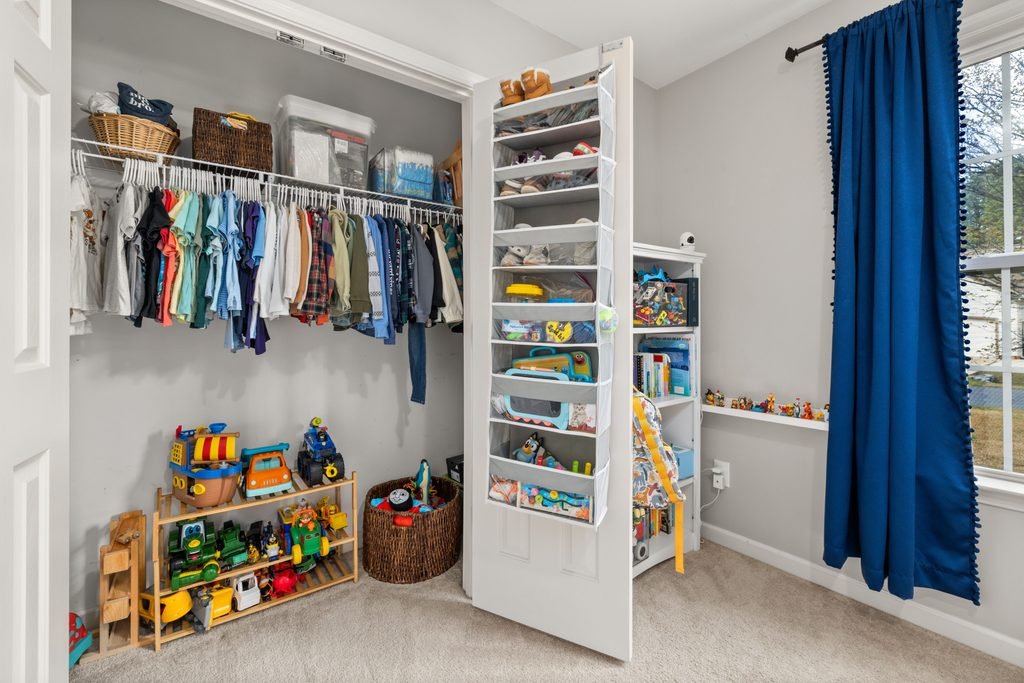
How many linens do you really need?
Instead of memorizing a fixed rule, base your numbers on your laundry rhythm. The logic is simple: you need one item in use, one in the wash or drying, and, depending on how often you wash, one clean spare.
- Sheets: two sets per bed is a solid baseline, one on the bed and one clean. Add a third set for a child’s bed or if you rotate fabrics by season.
- Bath towels: two to three per person. If you wash weekly, two is plenty. Linen Closet Organization If you wash every two weeks or less often, keep three.
- Hand towels and washcloths: one hand towel in use per bathroom plus two spares. Washcloths depend on your habits, so count what you really use in a week.
- Guest bedding: one full sheet set and one towel set per guest bed, stored together so you can prepare the room in minutes.
- Blankets and throws: one per bed for cold months, plus a few for shared spaces.
- Pillows: one spare per guest bed instead of a pile of extras.
Write your final numbers on the sketch. From now on, when something new arrives, something old leaves.
Step 4: Place things by reach zones
Where you put an item matters more than how neat the shelf looks. Divide the closet into three zones.
Prime zone (roughly knee to shoulder height). Put what you use every week here: current sheet sets, bath towels and hand towels. You should be able to remove an item with one hand and return it without moving anything else.
Upper zone. Store rarely used items here, such as guest bedding and heavy winter blankets. Use a stable step stool and avoid keeping heavy items above shoulder height.
Lower zone. Use this for bulky but light items in lidded bins, such as spare pillows or out-of-season throws.
Adapt the zones to the people in your home. If bending causes pain or dizziness, move daily items higher. If children fetch their own towels, give them a low shelf with their own bin. The best layout is the one every member of the household can actually use.
Step 5: Set shelf heights with a simple formula
Do not leave shelves where they came from the factory. The right gap is the height of your tallest stack plus 2 to 3 inches (5 to 7.5 cm), so your hand can slide in without knocking the pile. Linen Closet Organization Stack height depends on fabric thickness, so measure a real stack of your own linens.
As a starting point:
| Item | Approximate gap |
| Folded sheet sets | 9 to 10 in (23 to 25 cm) |
| Bath towels | 12 to 14 in (30 to 36 cm) |
| Folded blankets | 16 to 20 in (41 to 51 cm) |
| Lidded bins | Bin height plus 2 in (5 cm) |
If the shelves cannot move, use shelf risers or stackable dividers to turn one tall gap into two shorter levels. Linen Closet Organization Very tall stacks tip over and invite digging, so split them into two stacks instead.
Step 6: Fold so every stack is the same size
Consistent folds make stacks stable and let you see what you have at a glance. Fold every item of the same type to the same width, and keep that width slightly narrower than the shelf so you can reach around it.
Bath towels. Fold in thirds lengthwise, then in half or thirds again until the width fits your shelf. Rolling is a good alternative for deep baskets or narrow shelves, because rolled towels can be lifted out without disturbing the rest.
Washcloths and hand towels. Fold in thirds and stand them upright in a small bin, like files in a drawer.
Flat sheets and pillowcases. Fold the flat sheet into a neat rectangle, then bundle it with the fitted sheet and pillowcases.
How to fold a fitted sheet in five steps
- Turn the sheet inside out and hold two corners along one short end, with a hand inside each corner pocket.
- Bring your hands together and tuck one corner pocket over the other so they nest.
- Pick up the next corner and tuck it over the first pair. Repeat with the last corner, so all four corners sit together.
- Lay the sheet flat with the nested corners at the top and smooth out the straight edge.
- Fold the sides in to make a rectangle, then fold it into halves or thirds to match your shelf width.
Make sets easy to match. Sheet sets in different sizes look almost identical once folded, which is a common source of mess. Put each set inside its own pillowcase, or tie it with a strip of fabric, and write the bed size on a small tag or on the hem with a fabric marker.
Blankets and duvets. Fold them loosely and change the fold lines now and then to avoid hard creases. Store out-of-season items in breathable cotton bags or lidded bins. Vacuum compression bags save space, but they can flatten the filling of down and feather items, and any trapped moisture is a risk. If you use them, keep them for short-term storage of synthetic items and never seal anything that is not completely dry.
Step 7: Choose containers that earn their space
Each container should solve one problem. Use these guidelines:
- Open baskets for items you grab daily, such as washcloths and hand towels.
- Lidded bins for the upper and lower zones, where dust settles.
- Clear bins for small items like pillow protectors or travel pillows, so you do not need to open each one.
- Breathable materials such as cotton or woven baskets for fabrics stored over long periods.
- One or two shapes throughout. A matching set is not necessary, but repeating shapes makes stacking easier.
Follow the 80 percent rule: fill every shelf and container about four-fifths full. Linen Closet Organization Free space lets air move, lets you place items without force and leaves room for a new set without starting over. A closet packed wall to wall looks tidy for a week and chaotic within a month.
Step 8: Label for the people who use the closet
Label by content and size, such as Queen sheets, Guest towels or Kids’ blankets. In shared households, add names or rooms. Linen Closet Organization Use plain, large lettering so a visitor or a teenager can follow it without asking. Start with removable labels for the first two weeks, then switch to permanent ones once the system proves it works for your household.
Step 9: Keep linens dry, fresh and safe
A linen closet should smell like nothing at all. These habits help.
Store only fully dry linens. Fold towels only when the thickest parts, such as hems and centres, feel completely dry. Warm but damp fabric in a closed space invites mildew.
Let air move. Avoid packing shelves tightly, and leave the door open for an hour after reorganizing. The US Environmental Protection Agency suggests keeping indoor humidity between 30 and 50 percent to limit mould growth. Linen Closet Organization A small hygrometer shows your reading, and a moisture absorber or a dehumidifier in the room can help in humid climates.
Use scents lightly. A cotton sachet of dried lavender or a cedar block adds a mild fragrance. Keep it away from direct contact with fabric.
Treat musty towels properly. Wash them according to the care label in warm or hot water with 1 cup (about 240 ml) of white vinegar. Run a second cycle with half a cup (about 100 g) of baking soda and your usual detergent. Linen Closet Organization Do not use both in the same cycle, because they cancel each other out, and never mix vinegar with bleach, which releases a dangerous gas. Dry completely before storing. If the smell survives two rounds, the fabric may be past saving.
Add light. A battery-powered motion light helps you see corners and stops you from shoving things in blindly.
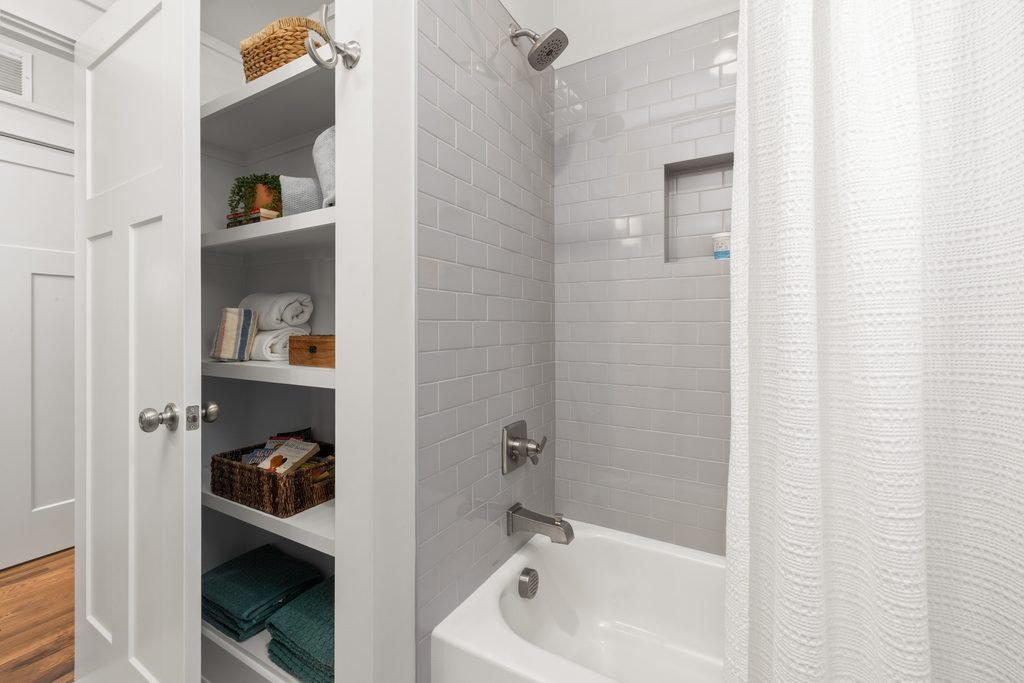
No linen closet? Use these alternatives
Linen closet organization works even without a closet. Choose one of these spots and apply the same steps: measure, set numbers, zone and label.
- Under-bed drawers or flat boxes for out-of-season blankets and spare sheets.
- A tall hallway or bathroom cabinet with a closed door. In a humid bathroom, keep only a day’s supply of towels.
- A lidded ottoman or blanket chest in the bedroom.
- One wardrobe shelf per bedroom, so each room keeps its sheets next to its bed.
- An over-the-door rack for small items like washcloths.
A simple maintenance calendar
- Weekly (1 minute): when you put laundry away, straighten the stacks and return strays to their place.
- Monthly (5 minutes): remove anything that does not belong and check for dampness or odour.
- Twice a year (30 minutes): swap seasonal bedding, count against the numbers on your sketch and donate surplus.
- Yearly (15 minutes): replace the worn items you flagged and wipe the shelves. Linen Closet Organization Buy a replacement as the old item retires, instead of adding to the stack.
Common mistakes to avoid
- Buying containers before measuring.
- Keeping sets just in case for beds you no longer own.
- Overfilling shelves so nothing can be removed without disturbing the rest.
- Storing linens that are even slightly damp.
- Using the closet as a dumping ground for unrelated items.
- Putting the most-used items on the highest or lowest shelf.
- Skipping maintenance after the first big reorganization.
Frequently asked questions
How many sheet sets should I keep per bed?
Two is enough for most households. Keep three for a child’s bed or if you rotate fabrics by season.
Should towels live in the bathroom or the linen closet?
Keep a small supply in the bathroom only if it is well ventilated. Store the rest in a dry closet.
What is the best way to store sheets?
Keep each set together in a labelled pillowcase, on a shelf marked with the bed size.
How often should I reorganize?
Do a five-minute check monthly and a deeper review twice a year.
Are plastic bins safe for linens?
For short-term storage with lids, yes, as long as the fabric is fully dry. Linen Closet Organization For long-term storage, breathable cotton bags or ventilated baskets are better.
Final thoughts
Good linen closet organization is not about buying the prettiest baskets. Linen Closet Organization It is about measuring first, owning a sensible number of items, placing things where your hands naturally go and keeping fabric dry and uncrushed. Spend one afternoon building the system, then give it five minutes a month. Linen Closet Organization You will always know where the clean sheets are, and your closet will stay that way.