Kitchen windows shape how a cooking space looks, feels, and functions. They let natural light in, support ventilation, and connect the kitchen with the outdoors. The right kitchen window can make a small kitchen feel more open, complement your kitchen cabinets, and lift the whole kitchen design.
Appearance is only part of the choice. Window size, placement, opening style, frame material, privacy, and ease of cleaning all affect how a window performs in a busy cooking area. Kitchen Windows A beautiful window may not be practical if it blocks cabinet space, is hard to reach, or fails to provide enough airflow.
Fortunately, there are options for every layout and decorating style, from a classic window above the sink to large picture windows, modern black frames, garden windows, and space saving sliding designs. Whether you are planning a kitchen with a window or upgrading an existing window kitchen, this guide shares 20 kitchen design ideas for windows, explains which kitchen window styles suit different spaces, and offers practical tips for balancing beauty, comfort, and everyday function.
20 Kitchen Window Design Ideas to Inspire Your Space
1. Large Picture Windows for Uninterrupted Views
Large picture windows suit kitchens with attractive outdoor views. Kitchen Windows Their broad, fixed glass panels let in plenty of daylight but do not open, so pair them with an opening window or another ventilation system. They work well above a long countertop, beside a dining area, or facing a garden. Choose simple frames that complement the kitchen cabinets, modern kitchen furniture, and finishes.
2. Casement Windows Above the Kitchen Sink
Casement windows are hinged on one side and open outward, which makes them popular above the sink for generous ventilation while you wash dishes. Kitchen Windows A wide casement with a slim frame looks modern, while divided panes suit traditional kitchen styles. Check that the outward opening panel will not hit a walkway or other obstruction, and that the handle is easy to reach.
3. Sliding Windows for Compact Kitchens
Sliding windows move horizontally, so they save space and never interfere with faucets or countertops. They suit apartments and narrow kitchens, and aluminium or uPVC frames are easy to maintain. Only part of a sliding window opens at once, so check whether the opening gives enough ventilation if your kitchen produces heat, steam, or cooking odors.
4. Awning Windows for Flexible Ventilation
Awning windows are hinged at the top and open outward from the bottom, creating a small canopy that helps keep light rain out. They can sit above counters, combine with larger fixed windows, or be placed high on a wall, and their clean lines suit modern cabinetry. Make sure the open panel will not obstruct a passage, and seek advice in areas with strong wind or heavy rain.
5. Garden Windows for Herbs and Small Plants
Garden windows extend outward from the wall, creating a small glass enclosure where herbs such as basil and mint can catch the light. They make a bright focal point above a sink. Consider sunlight direction, plant weight, and available exterior space, make sure the installation is properly supported and sealed against moisture, and keep pots organized so cleaning stays easy.
6. Bay Windows With a Cozy Breakfast Nook
Bay windows project outward, adding depth and a wider view. Kitchen Windows In a spacious kitchen, the area beneath can hold a small bench or breakfast nook, sometimes with built in storage that matches your kitchen units. They need more room and a more involved installation than standard windows, so consider the exterior wall structure, floor space, cost, and insulation around the extended section.
7. Arched Windows for Classic Character
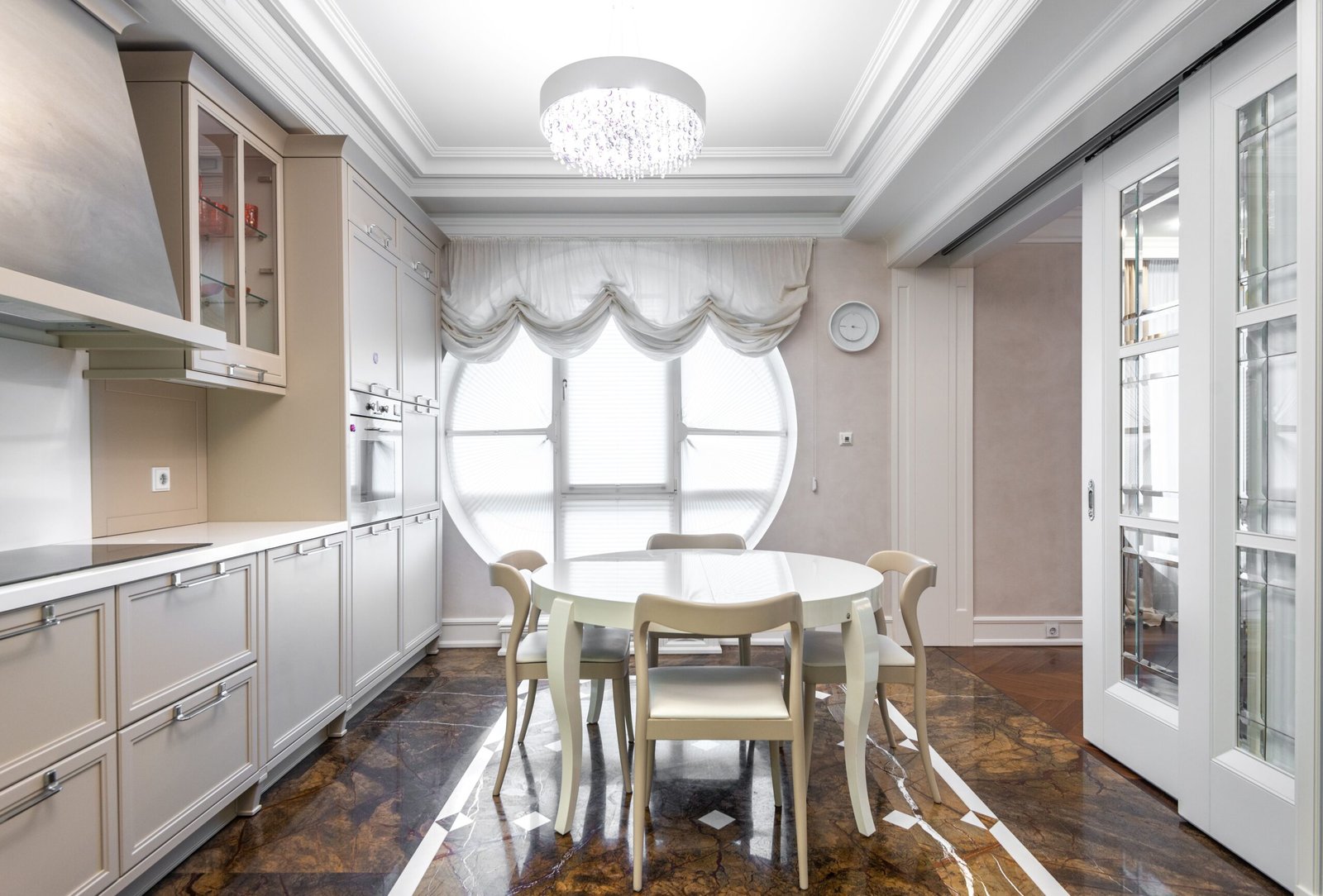
Arched windows add a softer shape that suits traditional homes, Mediterranean inspired spaces, and kitchen decor with architectural details. White frames look timeless, while darker frames create stronger contrast. Curved windows may need custom manufacturing and can cost more than standard rectangular ones, so also think about cleaning and the ventilation you need.
8. Black-Framed Windows for Modern Contrast
Black framed kitchen windows suit contemporary and industrial kitchen styles, outlining the glass against white cabinets, light walls, or neutral countertops. Kitchen Windows They pair well with natural wood, stone, and metal fixtures. Repeat the dark finish in small details such as cabinet handles or lighting, but avoid too many contrasting elements in a compact kitchen. Check that the frame also suits the home’s exterior.
9. Floor-to-Ceiling Windows for Open Kitchens
Floor to ceiling windows create a dramatic link between indoors and outdoors, ideal for large, open plan kitchens facing a garden or patio. Kitchen Windows They bring in substantial daylight but affect privacy, heat gain, glare, and furniture placement, so appropriate glazing and shading may be needed. Because of their size, professional planning and safe installation are essential.
10. Clerestory Windows for High Walls
Clerestory windows sit high on a wall, letting daylight in while keeping the lower wall free, so your kitchen cabinet design, appliances, and countertops keep their space. They can also offer more privacy than eye level windows. Because they are above normal reach, opening and cleaning can be challenging, so fixed glazing with ventilation provided elsewhere, or accessible operating controls, may suit best.
11. Transom Windows to Add More Daylight
Transom windows are narrow windows above a door, another window, or a larger glazed opening, adding daylight without using much wall space. Placed above a main window, a transom creates a taller arrangement, which helps when ceilings are high. They may be fixed or operable. Align them with the window below and match frame finishes so the pair looks intentional.
12. Double-Hung Windows for Traditional Kitchens
Double hung windows have two sashes that slide up and down, a classic look for farmhouse, cottage, and traditional kitchens. Both sections can often open for flexible airflow, and some tilt inward for easier cleaning. Kitchen Windows White frames pair naturally with shaker cabinets, wooden countertops, and kitchen cupboard wood finishes. Choose glass and frames for your climate, maintenance needs, and energy performance.
13. Bi-Fold Windows for Indoor-Outdoor Living
Bi fold windows have panels that fold to one side, creating a wide opening to a garden, terrace, or covered patio. Opened fully, they make serving food outdoors easier, and above a counter they can act as a serving area. Hardware quality, weather sealing, and installation matter, and the folded panels should not block nearby walkways.
14. Pass-Through Windows for Outdoor Dining
A pass through window connects the kitchen to an outdoor dining area, so dishes and drinks move straight to the patio. It can use sliding, folding, or hinged panels, and an exterior serving ledge adds usefulness. Consider counter height, weather exposure, and security, and keep it away from cooking equipment where heat and grease could affect the frame.
15. Corner Windows for Wider Views
Corner windows place glazing at a room’s corner, widening the view and brightening the kitchen, especially in homes where daylight reaches only certain sides. Paired with simple cabinetry, such as the latest kitchen cabinets with plain fronts, and light finishes, they make a kitchen room design feel more open. They require careful structural planning, insulation, and weather sealing, so consult a qualified professional before altering a structural corner.
16. Frosted Glass Windows for Privacy
Frosted glass lets daylight in while making it hard to see through, a practical choice for kitchens facing neighbors or busy streets. Use it across the whole window or in selected sections, or apply privacy film to suitable existing glass. Frosted glazing does not improve ventilation or energy efficiency on its own, as those depend on the opening style and construction.
17. Deep Window Sills for Display and Storage
A deep sill offers space for small plants, decorative containers, or simple kitchen decor ideas such as a favorite bowl. It suits traditional and garden windows above a countertop, and a sill material that matches your cabinet design ties the area together. Keep it uncluttered so light, cleaning, and window operation are not blocked, and avoid storing food or delicate items in sun, heat, or moisture.
18. Skylights for Kitchens With Limited Wall Space
Skylights bring daylight through the roof, which helps internal kitchens, extensions, and rooms where neighboring buildings limit wall windows. They can brighten a central work area and may be fixed or operable. Direct sun can cause glare and heat, so consider glazing and shading, and have a qualified professional assess waterproofing, insulation, and roof structure to prevent leaks and condensation.
19. Cottage-Style Windows With Grille Patterns
Cottage style windows with divided panes or grille patterns suit farmhouse, country, vintage, and traditional kitchen styles. White frames look light and welcoming, while wood or muted colors add warmth beside stone, timber, and ceramic tile. Too many divisions can make a small window feel busy, so compare grilles between the panes with those fixed to the surface if easy cleaning matters.
20. Minimalist Windows With Slim Frames
Minimalist kitchen windows emphasize clean lines, simple shapes, and unobstructed glass, ideal for modern kitchen ideas where cabinetry, kitchen furniture design, and lighting carry the decoration. They can be fixed, sliding, or casement, depending on whether daylight, ventilation, or views come first. Slim frames still need to meet structural and performance requirements, so choose a suitable frame system, not just a thin look.
Which Kitchen Window Styles Suit Different Layouts?
The best kitchen window styles depend on the kitchen’s size, wall arrangement, and use. A design that works in a large open kitchen may not suit a narrow apartment. This comparison helps narrow the options.
| Kitchen type | Suitable window styles | Main advantage |
| Small kitchen | Sliding, awning, or clerestory | Saves space and improves daylight |
| Kitchen with a window above the sink | Casement, sliding, or double hung | Provides light near the cleaning area |
| Modern kitchen | Picture, black framed, or minimalist | Creates a clean, contemporary look |
| Traditional kitchen | Double hung, arched, or cottage style | Adds classic character |
| Kitchen facing a garden | Picture, bay, or bi fold | Strengthens the link to the outdoors |
| Limited exterior walls | Skylight or clerestory | Brings daylight into difficult areas |
| Facing neighboring buildings | Frosted glass or high level windows | Helps maintain privacy |
| Connected to a patio | Pass through or bi fold | Supports indoor outdoor dining |
Kitchen Windows for Small Spaces
In a compact window kitchen, placement matters as much as size. A large window improves light but can reduce wall space for upper kitchen cabinets. Sliding and clerestory windows work well, as does a horizontal window above the countertop. Storage matters too, since cupboards in kitchen layouts shrink as windows grow. Map the sink, stove, refrigerator, and work surfaces first so the window never interferes with essential tasks.
Modern Kitchen Windows
Modern kitchen design often uses simple shapes, larger glass panels, and frames that match the color scheme, such as black, white, gray, or metallic finishes. Picture windows give uninterrupted views, while casement and sliding styles add ventilation, and a mix of fixed and operable panels provides both daylight and fresh air. Choose by daily use, not fashion.
How to Choose the Right Kitchen Windows
Choosing from these kitchen design ideas means balancing design preferences with practical needs.
1. Evaluate Your Kitchen Layout
Identify which walls can take a window, and where cabinets, appliances, plumbing, and countertops will sit. If the sink is beneath the window, make sure the handle is within comfortable reach, and near a stove, consider heat, grease, and splashes. In a renovation, decide the kitchen cabinet design and window placement together so the window never limits storage, and check that the best kitchen cupboards for your needs still fit around it.
2. Consider Natural Light and Privacy
Think about which direction the window faces and how sunlight moves through the day. A larger window can brighten a dark kitchen but may add glare and heat. If the kitchen faces a street or neighbor, frosted glass, high level windows, or adjustable coverings balance daylight with privacy.
3. Choose the Right Opening Style
Sliding windows save space, casement windows give a wide opening, and awning windows may allow ventilation in light rain. Fixed windows suit views and daylight but do not replace ventilation, so plan an opening window or exhaust system too. Pick a mechanism you can operate safely, especially when the window sits high above the counter.
4. Select a Suitable Frame Material
Aluminium frames are known for slim profiles and strength, uPVC for low maintenance, and timber for natural warmth, though it needs periodic care in moist areas. Composite frames combine materials for particular performance or looks. Compare durability, upkeep, cost, and insulation instead of appearance alone.
5. Pay Attention to Glass and Energy Efficiency
Glass affects daylight, heat transfer, comfort, and sometimes noise. Double glazing may improve insulation in suitable climates, and low emissivity coatings can support thermal performance. Ask about the whole system, including frame, seals, and installation, because quality glass cannot deliver its benefits in a poorly fitted frame.
6. Plan for Easy Cleaning
Kitchen windows meet grease, dust, steam, and splashes. Simple frame shapes and reachable glass are easier to maintain than elaborate details, and sliding tracks need regular cleaning. High windows and skylights may require professional cleaning or specialized access.
7. Set a Realistic Budget
Cost depends on size, material, glass, opening mechanism, and installation. Standard rectangular windows are simpler than custom curved or oversized ones, and the budget should include any wall, waterproofing, exterior finish, or trim changes. Compare complete specifications, not just prices.
Common Mistakes to Avoid When Installing Kitchen Windows
Even an attractive window becomes inconvenient if key details are missed during planning.
- Ignoring ventilation: A fixed window brings daylight but cannot release heat or cooking odors, so plan ventilation for the whole kitchen.
- Choosing the wrong height: Too low can clash with the countertop or faucet, while too high is hard to open and clean.
- Blocking storage: A large window can cut into upper kitchen cabinets, including kitchen cabinets in wood, so review the layout first.
- Overlooking privacy: Clear glass may not suit a busy walkway or nearby homes.
- Ignoring moisture: Steam and temperature changes call for suitable frames, finishes, and moisture resistant kitchen cabinets or water resistant kitchen cabinets near the window.
- Forgetting maintenance: Tracks, hinges, seals, and glass all need regular care.
- Skipping professional installation: Poor fitting hurts operation and insulation, and structural changes, roof windows, and large openings need qualified installers.
Frequently Asked Questions About Kitchen Windows
Which kitchen window style is best?
There is no single best style. Sliding windows suit compact kitchens, casement windows give generous ventilation, and picture windows suit daylight and views. Choose by layout, ventilation, privacy, and taste.
What is the best place to install a kitchen window?
Above the sink is common because it brings light to a busy work area. Other options include beside the dining area, above a countertop, or high on a wall. Check plumbing, appliances, privacy, and surroundings first.
Are sliding windows suitable for small kitchens?
Yes. Sliding windows do not swing open, so they suit small kitchens above sinks and counters, though the opening can be smaller than other kitchen window styles offer.
Do kitchen windows improve ventilation?
Operable windows let fresh air circulate and release some heat, steam, and odors, but they should complement an exhaust or ventilation system, not replace it.
How can a kitchen with a window keep its privacy?
Frosted glass, high level windows, and privacy film keep daylight while limiting visibility, and adjustable blinds help when needs change through the day.
Final Thoughts on Kitchen Windows
The right kitchen windows can transform how a cooking space looks and feels, bringing natural light, ventilation, outdoor views, and architectural character without major decorative changes. From practical sliding and casement designs to garden, bay, and modern picture windows, there is an option for nearly every layout and style.
Before deciding, consider placement, frame material, glass performance, privacy, maintenance, and budget. Plan the window together with kitchen units, cabinets, and appliances, and seek professional guidance for structural changes or specialized glazing. With careful planning, kitchen windows become a lasting feature that is both useful and welcoming.