
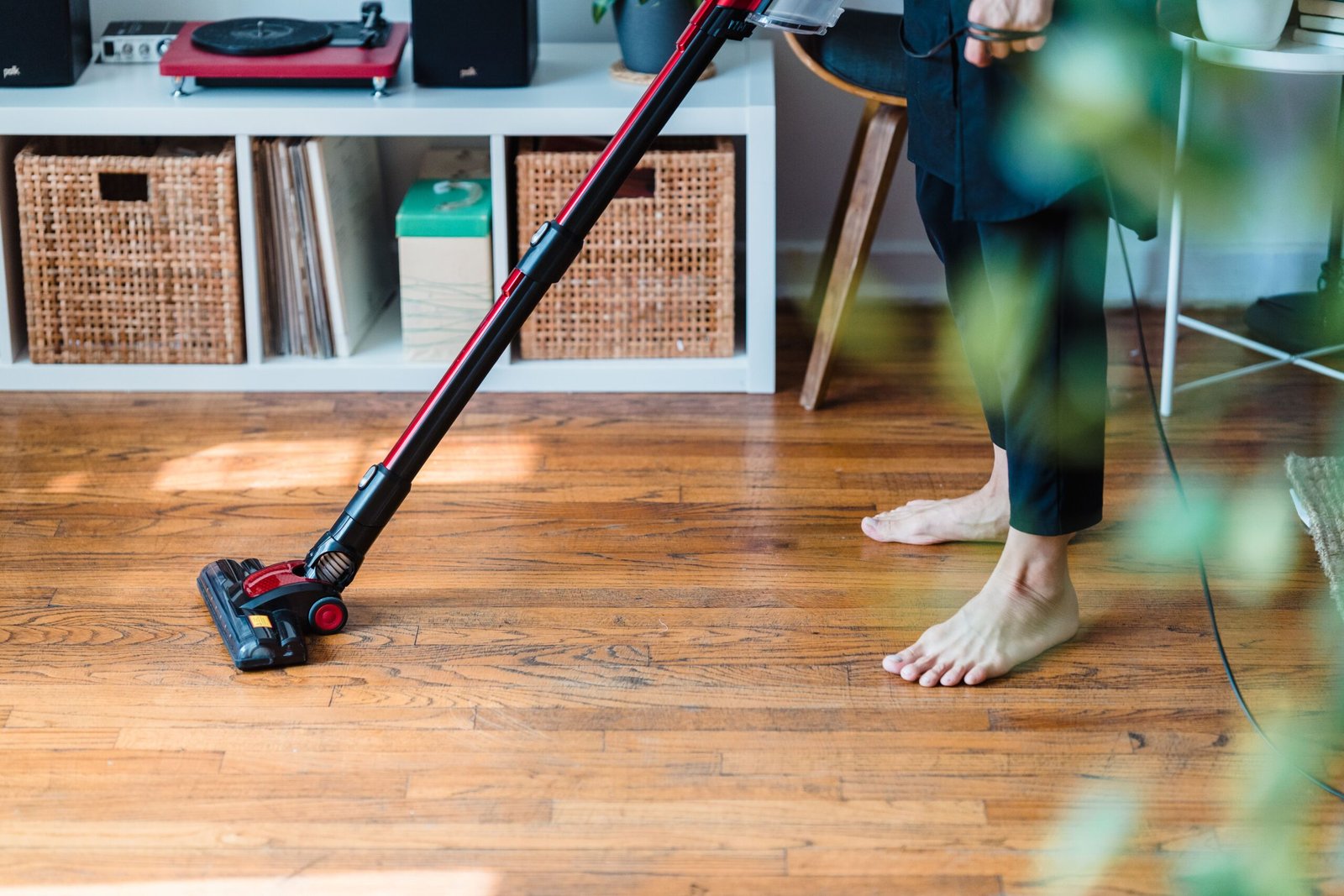
Hardwood floors are one of the best features a home can have. They look warm, last for decades, and add real value when it is time to sell. But they are also one of the easiest surfaces to damage with the wrong cleaning habits. How to Clean Hardwood Floors Too much water, the wrong cleaner, or a harsh tool can dull the finish, cause cupping, or leave permanent scratches.
The good news is that learning how to clean hardwood floors is simple once you understand three things: what finish your floor has, which tools and solutions are safe for it, and how often each job should be done. How to Clean Hardwood Floors This guide covers all three in plain language, with clear steps you can follow today.
Quick Answer: The Best Way to Clean Hardwood Floors
If you only need the short version, here it is:
- Remove dust and grit first with a soft broom, dust mop, or vacuum set to the hard-floor setting.
- Use a barely damp microfiber mop, never a soaking wet one.
- Use a pH-neutral cleaner made for wood, or a very dilute soap solution.
- Work in the direction of the grain, in small sections.
- Dry the floor right away with a clean, dry microfiber cloth.
The rest of this article explains why each step matters and what to change if your floor is unfinished, waxed, engineered, or painted.
Step 1: Find Out What Finish Your Hardwood Floor Has
Most cleaning mistakes happen because people treat every wood floor the same. How to Clean Hardwood Floors The wood species matters less than the finish on top of it. How to Clean Hardwood Floors The finish decides how much moisture your floor can tolerate and which cleaners are safe.
Simple Finish Tests You Can Do at Home
Always test in a hidden spot, such as inside a closet or under a rug.
The water drop test. Place a single drop of water on the floor and wait a few minutes.
- If the drop beads up and sits on the surface, you have a sealed, surface-finished floor (most commonly polyurethane). This is the easiest type to clean.
- If the water slowly soaks in and darkens the wood, the floor is unfinished, oiled, or the finish has worn away.
The wax check. Rub a small spot with a clean white cloth. How to Clean Hardwood Floors If the cloth picks up a yellowish or waxy residue, the floor is likely waxed. Waxed floors must never be mopped with water.
The scratch test. Gently scratch an inconspicuous spot with a fingernail or coin. How to Clean Hardwood Floors If you lift a thin white flake, the finish may be varnish or shellac, which is sensitive to water and alcohol-based products.
The grain feel test. Run your hand over the surface. If you can feel the wood grain, the floor is probably oil-finished or unfinished. How to Clean Hardwood Floors A smooth, plastic-like feel usually means a surface sealant.
The Main Types of Hardwood Floor Finishes
| Finish type | What it looks like | Water tolerance | Cleaning approach |
| Water-based polyurethane | Clear, low yellowing, durable | Good, but still limited | Damp mop with wood-safe cleaner |
| Oil-based polyurethane | Amber tone, glossy | Good, but still limited | Damp mop with wood-safe cleaner |
| Penetrating oil | Natural, matte, you can feel the grain | Low | Dry clean; occasional oil-specific cleaner |
| Wax | Soft glow, can smudge | Very low | Dry clean only; rewax periodically |
| Varnish or shellac | Hard, shiny, scratches with a coin | Low | Minimal moisture, no harsh chemicals |
| Unfinished | Bare wood, absorbs water | Very low | Dry clean; seek professional advice for stains |
If you are still unsure after testing, treat the floor as water-sensitive and stick to dry cleaning until you can confirm with a flooring professional.
Step 2: Gather the Right Supplies
You do not need a long shopping list. A basic hardwood cleaning kit includes:
- A soft-bristle broom or a dust mop
- A vacuum with a hard-floor setting or a soft brush head (turn off the beater bar)
- Two or three flat microfiber mop pads, plus a few clean microfiber cloths
- A spray-bottle mop or a small spray bottle for misting
- A pH-neutral hardwood floor cleaner, or mild dish soap for DIY mixing
- Felt pads for furniture legs
- Door mats at every entrance
Notice what is missing: steam mops, string mops, abrasive sponges, and bucket-and-sponge setups. How to Clean Hardwood Floors Those tools put too much water or too much pressure on the wood.
Step 3: Remove Dust, Dirt, and Pet Hair First
This is the most important step, and the one people most often skip. How to Clean Hardwood Floors Dry grit works like sandpaper. When you mop over it, even gently, you drag fine particles across the finish and create tiny scratches. Over months, those scratches show up as dull, cloudy patches in high-traffic areas.
How to do it properly:
- Move small rugs and light furniture out of the way.
- Sweep with a soft broom or run a dry microfiber dust mop along the grain.
- Vacuum edges, corners, and gaps between boards where dirt collects. Use a canister vacuum or a hard-floor head. If your vacuum has a rotating brush, switch it off or raise it, because a spinning bristle roller can scratch the finish.
- Pay extra attention to entryways, kitchens, hallways, and pet areas, where grit collects fastest.
Step 4: Mix or Choose a Safe Cleaning Solution
Option A: Store-Bought pH-Neutral Wood Floor Cleaner
This is the simplest option. Look for a cleaner labeled for finished hardwood, and check that it does not leave a film. Follow the dilution instructions on the label exactly. How to Clean Hardwood Floors If a cleaner is a concentrate, never use it at full strength.
Option B: Simple DIY Solution
For sealed, surface-finished floors only, mix:
- 1 gallon (about 4 liters) of warm water
- A few drops (about half a teaspoon) of mild, clear dish soap
Keep it very dilute. Too much soap leaves a sticky residue that attracts dirt and leaves streaks. Pour the mixture into a spray bottle rather than a bucket, so you control exactly how much liquid touches the floor.
Option C: Plain Water
For lightly dusty floors, a well-wrung, barely damp microfiber pad with plain water is often enough between deeper cleans.
Solutions to Avoid
- Vinegar: Many old guides recommend vinegar and water. How to Clean Hardwood Floors Today most flooring experts advise against it. Vinegar is acidic, and over time it can dull and break down some finishes, especially if used often or left to sit. A pH-neutral cleaner is safer.
- Baking soda as a general cleaner: It is mildly abrasive and can dull a finish if scrubbed across the whole floor. How to Clean Hardwood Floors It has one limited use, covered in the scuff section below, and only for spot treatment on sealed floors.
- Oil soaps: Some oil soaps leave a residue that builds up and makes floors look cloudy or sticky. If you use one, follow the label precisely and rinse with a damp cloth.
- Multi-surface or vinyl and tile cleaners: They are not made for wood and can leave a film or damage the finish.
- Ammonia, bleach, and wax-and-polish combination products: These can strip or discolor the finish.
- Self-polishing acrylic waxes: They create a build-up that is hard to remove and prevents future refinishing from bonding.
Step 5: Mop the Right Way (Damp, Not Wet)
Water is the biggest enemy of hardwood. It seeps between boards, causes swelling, cupping, and warping, and can stain the wood permanently. How to Clean Hardwood Floors The goal is a floor that looks slightly damp for a few seconds and is dry in under a minute.
Follow these steps:
- Lightly mist a section of the floor, or lightly mist the microfiber pad. Do not pour liquid onto the floor.
- Wring out any pad that feels wet. It should feel damp, not dripping.
- Mop in the direction of the wood grain, in straight lines. Going against the grain can push dirt into the grooves and leave streaks.
- Work in small sections, about three feet by three feet at a time.
- Dry the section immediately with a clean, dry microfiber cloth, or a second dry pad.
- Swap to a fresh pad when the first one gets dirty. A dirty pad only moves grime around.
- Let the entire floor air dry for a few minutes before walking on it, which also prevents footprints and paw prints.
Never leave standing water. If you see a puddle, wipe it up at once.
How Often Should You Clean Hardwood Floors?
Competitor guides often say “clean regularly” without giving a number. Here is a clear schedule you can actually follow.
| Task | Frequency |
| Quick dry sweep or dust mop | Daily in high-traffic areas, or every 2 to 3 days elsewhere |
| Vacuum with hard-floor setting | Once a week |
| Spot-clean spills | Immediately |
| Damp mop | Every 2 to 4 weeks, or monthly for lightly used rooms |
| Deep clean (thorough damp mop, edges, under furniture) | Every 1 to 3 months |
| Recoat or professional refinish | Typically every few years for the finish; sanding only when needed |
Homes with pets, children, or heavy foot traffic need the shorter end of each range. A rarely used guest room may only need the longer end.
How to Remove Scuffs, Marks, and Stains
Light Scuff Marks (Sealed Floors)
- Rub gently with a clean sock or a tennis ball, using light circular pressure. This often removes shoe marks without any product.
- For stubborn rubber or heel marks, apply a small amount of baking soda to a barely damp cloth and rub very gently on the mark only. Wipe away, then dry. Never use this across the whole floor, and test in a hidden spot first.
Scratches
Minor surface scratches can sometimes be hidden with a wood-colored touch-up marker or a wax filler stick that matches your floor. How to Clean Hardwood Floors Deeper gouges may need a professional.
Common Stains and What to Do
| Stain | Safe approach |
| Food or grease | Wipe with a lightly damp cloth and a drop of mild soap, then dry |
| Sticky residue or gum | Harden with an ice cube in a bag, then gently lift with a plastic scraper |
| Candle wax | Harden, lift with a plastic card, then wipe with a damp cloth |
| Ink or marker | Dab with a cloth and a small amount of wood-safe cleaner, never rub widely |
| Water rings or white marks | Often a sign of moisture trapped in the finish; a professional may be needed |
| Dark stains | Usually mean water or urine has reached the wood below the finish; professional repair is likely required |
Pet Messes
Blot up urine, vomit, or accidents immediately with paper towels or a dry cloth. Do not rub. Wipe lightly with a damp cloth and a small amount of wood-safe cleaner, then dry fully. The longer pet urine sits, the more likely it is to soak through the finish and leave dark marks or odor. Keep pet nails trimmed to prevent scratches.
Why You Should Never Use a Steam Mop on Hardwood
Many people assume steam is a clean, chemical-free option. For hardwood, it is risky. Steam forces hot moisture and heat into the wood, and the boards absorb it through seams and any microscopic gaps in the finish. How to Clean Hardwood Floors Over time this can cause the wood to swell, cup, or warp. It can also cloud the finish and weaken the bond between boards and sub-floor. Most flooring manufacturers state that steam cleaning can void a warranty. Stick with the damp-mop method above.
How to Clean Special Types of Hardwood Floors
Engineered Hardwood
Engineered boards have a real wood veneer over a plywood or composite core. The top layer is thinner than solid wood, so it cannot be sanded as many times and is less forgiving of moisture. Use the same damp-mop method, keep water to a minimum, and avoid aggressive scrubbing. Always check the manufacturer’s care instructions, because warranty terms often specify approved cleaners.
Unfinished or Oiled Hardwood
These floors are porous and absorb liquid. Clean them with dry methods first: sweeping, dust mopping, and vacuuming. For spots, use a barely damp cloth and dry immediately. Use cleaners specific to oiled floors, and reapply floor oil at the interval recommended for your product.
Waxed Hardwood
Never damp-mop. How to Clean Hardwood Floors Water can leave white spots in wax. Dust mop and vacuum regularly, and buff with a soft cloth. Rewax when the surface looks dull, following the product instructions.
Old Hardwood Floors With Worn Finish
Worn finish means the wood is exposed in places, so treat the floor as water-sensitive. Use dry cleaning, spot clean carefully, How to Clean Hardwood Floors and consider a professional recoat to protect it.
Painted Hardwood Floors
Painted floors can usually be cleaned with a damp mop and mild soap. How to Clean Hardwood Floors Avoid abrasive pads, because they can scratch the paint. How to Clean Hardwood Floors Touch up chips with matching paint.
Common Hardwood Floor Cleaning Mistakes to Avoid
- Using too much water. It seeps into seams and causes cupping and warping.
- Skipping the dry sweep. Mopping over grit scratches the finish.
- Using a steam mop. Heat and moisture damage wood and can void warranties.
- Using vinegar or homemade acidic mixes regularly. They can dull the finish over time.
- Using the wrong cleaner. Vinyl, tile, and multi-surface products can leave a film or damage the finish.
- Using too much soap. Residue attracts dirt and leaves streaks.
- Mopping against the grain. Streaks show, and dirt gets pushed into the grooves.
- Leaving the floor to air dry fully. Water sitting on the surface is the problem, so dry immediately.
- Dragging furniture. It leaves deep scratches.
- Ignoring the manufacturer’s instructions. Warranties often depend on following them.
How to Keep Hardwood Floors Clean and Protected Longer
Prevention saves more time than any cleaning product.
- Take shoes off at the door. This single habit removes most grit and abrasive dirt. How to Clean Hardwood Floors High heels can concentrate pressure and dent wood, so avoid them on bare floors if you can.
- Place mats at entrances. Use a mat outside and a mat inside, and choose breathable, non-rubber-backed mats. Some rubber backing can discolor the finish.
- Add felt pads under furniture. Replace them when they wear thin or collect grit.
- Use area rugs in high-traffic areas. Move them occasionally so the floor ages evenly.
- Control sunlight. Use curtains or blinds, as long-term direct sun can fade and discolor wood.
- Manage humidity. Try to keep indoor humidity between roughly 35 and 55 percent. Wood expands in humid conditions and shrinks in dry ones, which can cause gaps or cupping.
- Clean up spills right away. Blot, do not wipe, so liquid does not spread into seams.
- Trim pet nails. It cuts down on scratches considerably.
- Lift, do not drag. Use furniture sliders or carry heavy items.
Quick Reference: Safe vs. Unsafe Cleaning Choices
| Method or product | Sealed floor | Unfinished / oiled | Waxed | Engineered |
| Dry sweep or dust mop | Safe | Safe | Safe | Safe |
| Vacuum (no beater bar) | Safe | Safe | Safe | Safe |
| Damp microfiber mop | Safe | Use dry methods only | Not safe | Safe, minimal moisture |
| pH-neutral wood cleaner | Safe | Use oil-specific product | Use wax-specific product | Safe |
| Vinegar and water | Avoid | Avoid | Avoid | Avoid |
| Steam mop | Never | Never | Never | Never |
| Baking soda (spot only) | Spot use only | Avoid | Avoid | Spot use only, with care |
Frequently Asked Questions
What is the best way to clean hardwood floors?
Dry sweep or vacuum first, then use a barely damp microfiber mop with a pH-neutral wood cleaner, mopping along the grain and drying immediately.
Can I use water to clean hardwood floors?
Yes, but only a small amount on sealed floors. Use a damp, well-wrung pad, never a wet mop, and dry the floor straight away. Unfinished, oiled, and waxed floors should be cleaned with dry methods.
Is vinegar safe for hardwood floors?
It is best avoided. Vinegar is acidic and can dull or wear down many finishes over time. A pH-neutral cleaner is a safer choice.
Can I use a steam mop on hardwood floors?
No. Steam pushes heat and moisture into the wood and can cause warping, cupping, and finish damage.
How often should I clean hardwood floors?
Sweep or dust mop every few days (daily in busy areas), vacuum weekly, damp mop every two to four weeks, and deep clean every one to three months.
Final Thoughts
Cleaning hardwood floors does not need harsh products, steam, or complicated routines. The formula is simple: identify your finish, remove grit before mopping, use a barely damp microfiber mop with a pH-neutral cleaner, work with the grain, and dry right away. Back that up with good habits like mats, felt pads, and a no-shoes rule, and your floors will stay beautiful for decades.


