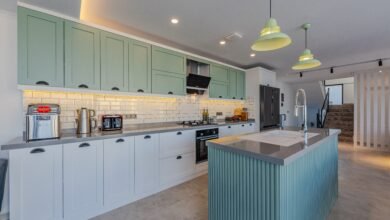
Choosing from the many different interior design styles is easier when you know what each one looks like, what it costs to achieve, and who it suits. This guide covers 24 styles, from modern and minimalist to wabi-sabi and quiet luxury. Different Interior Design Styles Every style follows the same format: key colours, materials, furniture, who it suits, budget level and one thing to watch out for. You will also find a quick comparison chart, a five-step method to choose your own style, a guide to mixing styles, and answers to common questions.
Table of Contents
- Quick answer: the main interior design styles
- Master comparison chart
- How to choose your interior design style in 5 steps
- Clean and modern styles
- Warm and traditional styles
- Relaxed and nature-led styles
- Bold and luxurious styles
- Styles that are often confused
- Styles versus trends
- How to mix different interior design styles
- Frequently asked questions
- Conclusion
Quick Answer: What Are the Main Interior Design Styles?
The main interior design styles fall into four groups:
- Clean and modern: Modern, Contemporary, Minimalist, Scandinavian, Japandi, Mid-Century Modern, Industrial, Art Deco.
- Warm and traditional: Traditional, Transitional, Georgian, Victorian, French Country, English Country.
- Relaxed and nature-led: Farmhouse, Rustic, Coastal, Hamptons, Bohemian, Wabi-Sabi.
- Bold and luxurious: Maximalist, Eclectic, Hollywood Regency, Quiet Luxury, Dark Academia, Cottagecore.
Most homes blend two or three of these. You do not have to pick one and follow it strictly.
Master Comparison Chart
Budget levels are relative: Low means many affordable options exist, Medium means a mix of mid-range and investment pieces, Different Interior Design Styles and High means the look depends on premium materials or custom work.
| Style | Main colours | Key materials | Best for | Budget |
| Modern | Neutrals, black, white | Steel, glass, leather | Open-plan homes | Medium |
| Contemporary | Neutrals with current accents | Mixed, changes with trends | Anyone wanting a current look | Medium |
| Minimalist | White, grey, beige | Wood, glass, concrete | Small flats, busy people | Low to Medium |
| Scandinavian | White, soft grey, pale wood | Light wood, wool, linen | Small or dark rooms | Low to Medium |
| Japandi | Earthy neutrals, charcoal | Oak, bamboo, ceramics | Calm, tidy homes | Medium |
| Mid-Century Modern | Teak, mustard, olive | Teak, walnut, vinyl | Collectors, vintage lovers | Medium to High |
| Industrial | Grey, black, brick red | Metal, brick, raw wood | Lofts, high ceilings | Medium |
| Art Deco | Gold, black, jewel tones | Brass, marble, velvet | Statement rooms | High |
| Traditional | Deep reds, greens, cream | Dark wood, silk, brocade | Formal homes | Medium to High |
| Transitional | Soft neutrals | Mixed wood, linen, metal | Families, mixed tastes | Medium |
| Georgian | Soft blues, greens, cream | Painted panelling, mahogany | Period homes | High |
| Victorian | Rich burgundy, forest green | Dark wood, velvet, patterned wallpaper | Period homes | Medium to High |
| French Country | Cream, lavender, soft yellow | Distressed wood, linen, wrought iron | Cosy family homes | Medium |
| English Country | Floral prints, muted greens | Chintz, antiques, wool | Larger homes | Medium to High |
| Farmhouse | White, sage, black accents | Reclaimed wood, enamel, cotton | Kitchens, family homes | Low to Medium |
| Rustic | Browns, deep greens | Raw timber, stone, leather | Cabins, country homes | Low to Medium |
| Coastal | White, sand, soft blue | Rattan, linen, whitewashed wood | Light-filled rooms | Medium |
| Hamptons | White, navy, soft grey | Painted wood, linen, wicker | Larger family homes | Medium to High |
| Bohemian | Warm, saturated mix | Rattan, kilim, macramé | Creative renters | Low |
| Wabi-Sabi | Muted earth tones | Clay, linen, aged wood | Calm, imperfect charm | Low to Medium |
| Maximalist | Bold, layered colour | Velvet, pattern, art | Confident collectors | Medium to High |
| Eclectic | Varied, tied by one thread | Mixed eras and textures | Personal, evolving homes | Low to Medium |
| Hollywood Regency | Black, white, gold, pink | Mirror, lacquer, velvet | Glamorous rooms | High |
| Quiet Luxury | Taupe, cream, soft brown | Cashmere, stone, solid wood | Understated polish | High |
| Dark Academia | Brown, green, burgundy | Books, dark wood, leather | Studies, libraries | Low to Medium |
| Cottagecore | Soft pastels, florals | Gingham, wicker, vintage ceramics | Cosy small spaces | Low |
How to Choose Your Interior Design Style in 5 Steps
- Collect inspiration. Save 15 to 20 room photos that you like, without overthinking. Pinterest or your phone gallery works well.
- Look for repeating details. Check what keeps appearing: colours, wood tones, shapes, patterns or lighting. Different Interior Design Styles This repeat pattern is your real taste.
- Match the style to your life. Think about children, pets, rental restrictions, storage needs and how much time you want to spend cleaning. Different Interior Design Styles A pale, delicate style can be hard with toddlers. A heavily layered style can be tiring in a very small flat.
- Shortlist two or three styles. Use the chart above and the style sections below to find the ones that match your saved images.
- Test before you commit. Start with paint swatches, a rug and a few cushions. Different Interior Design Styles If you still like the look after a few weeks, extend it to bigger pieces.
Clean and Modern Styles
Modern Style
Modern style comes from the early to mid 20th century and focuses on function, straight lines and the absence of decoration. Open floor plans and large windows are typical.
- Colours: White, black, grey and beige, with one bold accent.
- Materials: Steel, glass, leather and polished wood.
- Key furniture: Low-profile sofas, sleek tables and simple metal lamps.
- Best for: Open-plan homes and people who prefer order.
- Budget: Medium.
- Watch out: Rooms can feel cold without textures such as wool, wood or plants.
Contemporary Style
Contemporary means the design of today, so it changes over time. It borrows from several styles and usually favours smooth surfaces, neutral colour and mixed finishes. See the comparison with Modern later in this guide.
- Colours: Neutral base with current accent shades.
- Materials: Mixed metals, glass, engineered stone and natural wood.
- Key furniture: Curved sofas, statement lighting and simple storage.
- Best for: Anyone who wants a current, flexible look.
- Budget: Medium.
- Watch out: Trend-led pieces can date quickly, so keep large items neutral.
Minimalist Style
Minimalism is built on the idea of keeping only what you need and use. Different Interior Design Styles Clear surfaces, hidden storage and plenty of open space create calm.
- Colours: White, grey, beige and soft black.
- Materials: Light wood, glass, concrete and linen.
- Key furniture: Simple sofa, platform bed and closed storage.
- Best for: Small flats, busy households and people who feel stressed by clutter.
- Budget: Low to Medium.
- Watch out: It needs discipline. Without enough texture it can feel empty.
Scandinavian Style
Scandinavian design comes from the Nordic countries and is known for light, simplicity and cosiness. Different Interior Design Styles It makes the most of limited daylight with pale walls and warm textiles.
- Colours: White, soft grey, pale blue and light wood tones.
- Materials: Birch, pine, wool, sheepskin and linen.
- Key furniture: Light wood dining sets, simple sofas and sheepskin throws.
- Best for: Small or dark rooms and families who want practical furniture.
- Budget: Low to Medium.
- Watch out: Too much white can look flat, so add plants and layered textiles.
Japandi Style
Japandi blends Japanese restraint with Scandinavian comfort. It uses a calm, muted palette, natural materials and handmade objects.
- Colours: Warm neutrals, clay, charcoal and soft green.
- Materials: Oak, bamboo, ceramics, paper and linen.
- Key furniture: Low platform beds, slim wooden tables and simple stools.
- Best for: Calm bedrooms and tidy living rooms.
- Budget: Medium.
- Watch out: Quality natural materials cost more, so invest in a few good pieces.
Mid-Century Modern Style
This style comes from roughly the 1940s to the 1960s. It is recognised by tapered legs, organic curves and warm wood.
- Colours: Teak, walnut, mustard, olive and burnt orange.
- Materials: Teak, walnut, moulded plywood and vinyl.
- Key furniture: Sideboards, lounge chairs and sculptural lamps.
- Best for: Vintage lovers and anyone who enjoys sourcing original pieces.
- Budget: Medium to High. Original pieces can be expensive, though reproductions exist.
- Watch out: A whole room of one era can feel like a showroom, so mix in modern items.
Industrial Style
Industrial interiors take inspiration from old factories and warehouses. Exposed brick, pipes and metal show the structure of the building.
- Colours: Grey, black, brown and brick red.
- Materials: Metal, brick, concrete and reclaimed wood.
- Key furniture: Metal-framed shelves, leather sofas and factory-style lights.
- Best for: Lofts, converted buildings and homes with high ceilings.
- Budget: Medium.
- Watch out: Hard surfaces can echo, so use rugs and soft furnishings.
Art Deco Style
Art Deco began in the 1920s and combines geometry, glamour and rich materials. Think symmetry, mirrors and metallic details.
- Colours: Gold, black, emerald, navy and cream.
- Materials: Brass, marble, velvet, lacquer and glass.
- Key furniture: Curved velvet sofas, mirrored cabinets and sunburst mirrors.
- Best for: Entrances, dining rooms and statement living rooms.
- Budget: High.
- Watch out: Use it in moderation or it can overwhelm a small room.
Warm and Traditional Styles
Traditional Style
Traditional design draws from 18th and 19th century European décor. Different Interior Design Styles It is formal, symmetrical and comfortable, with classic furniture and rich colour.
- Colours: Deep red, green, navy and cream.
- Materials: Dark wood, silk, brocade and brass.
- Key furniture: Wingback chairs, carved tables and skirted sofas.
- Best for: Formal living and dining rooms.
- Budget: Medium to High.
- Watch out: Too many matching pieces can look dated.
Transitional Style
Transitional style sits between traditional and contemporary. It keeps classic shapes but simplifies them and uses a calm palette.
- Colours: Soft neutrals, taupe and warm grey.
- Materials: Mixed woods, linen, metal and glass.
- Key furniture: Clean-lined sofas, classic side tables and simple drapes.
- Best for: Families, couples with different tastes and homes that must stay flexible.
- Budget: Medium.
- Watch out: Without a clear accent it can feel plain.
Georgian Style
Georgian interiors reflect the order and proportion of 18th century architecture. Different Interior Design Styles Expect symmetry, tall windows and elegant mouldings.
- Colours: Soft blue, sage, stone and cream.
- Materials: Painted panelling, mahogany, plaster and silk.
- Key furniture: Sash-window drapes, console tables and formal dining sets.
- Best for: Period homes and anyone who loves refined proportion.
- Budget: High.
- Watch out: Details like cornices and panelling are costly to install in modern homes.
Victorian Style
Victorian style is rich and layered, with dark colours, pattern and decorative objects from the 19th century.
- Colours: Burgundy, forest green, deep blue and gold.
- Materials: Dark wood, velvet, patterned wallpaper and cast iron.
- Key furniture: Chesterfield sofas, ornate mirrors and display cabinets.
- Best for: Period houses and people who enjoy collecting.
- Budget: Medium to High.
- Watch out: Dark tones need good lighting to avoid a heavy look.
French Country Style
French Country is inspired by rural homes in France. It feels soft, aged and welcoming, with gentle colours and curved furniture.
- Colours: Cream, lavender, soft yellow and muted blue.
- Materials: Distressed wood, linen, wrought iron and terracotta.
- Key furniture: Farmhouse tables, upholstered armchairs and carved cabinets.
- Best for: Cosy family homes and kitchens.
- Budget: Medium.
- Watch out: Too many decorative items can tip it into clutter.
English Country Style
English Country is layered and lived-in, with floral fabrics, antiques and comfortable furniture. It is usually fuller and more colourful than French Country.
- Colours: Muted greens, rose, cream and faded red.
- Materials: Chintz, wool, antique wood and brass.
- Key furniture: Deep sofas, bookcases and mixed antique pieces.
- Best for: Larger rooms and people who love a collected look.
- Budget: Medium to High.
- Watch out: Pattern mixing needs a repeating colour to stay balanced.
Relaxed and Nature-Led Styles
Farmhouse Style (Including Modern Farmhouse)
Farmhouse style is practical, warm and informal. Different Interior Design Styles Modern farmhouse keeps this feel but with cleaner lines, more white and black metal accents.
- Colours: White, cream, sage and black accents.
- Materials: Reclaimed wood, enamel, cotton and iron.
- Key furniture: Large wooden tables, open shelves and apron-front sinks.
- Best for: Kitchens and family homes.
- Budget: Low to Medium.
- Watch out: Too many rustic signs and slogans can look themed rather than stylish.
Rustic Style
Rustic style celebrates raw, natural materials and a rough-hewn look. It suits cabins, lodges and country homes.
- Colours: Brown, deep green, rust and stone.
- Materials: Raw timber, stone, leather and wool.
- Key furniture: Heavy wooden tables, leather chairs and stone fireplaces.
- Best for: Cabins and homes with lots of wood.
- Budget: Low to Medium.
- Watch out: Dark timber can make a room feel small, so add light fabrics.
Coastal Style
Coastal interiors bring the calm of the sea indoors with airy colours and natural textures.
- Colours: White, sand, soft blue and sea green.
- Materials: Rattan, linen, jute and whitewashed wood.
- Key furniture: Slipcovered sofas, wicker chairs and light wooden tables.
- Best for: Bright rooms and holiday homes.
- Budget: Medium.
- Watch out: Avoid literal sea clichés such as anchors and shells in every corner.
Hamptons Style
Hamptons style is a polished version of coastal living, inspired by seaside homes in New York. It is bright, tailored and formal-casual.
- Colours: White, navy, soft grey and sand.
- Materials: Painted timber, linen, wicker and cotton.
- Key furniture: Large upholstered sofas, shutters and striped cushions.
- Best for: Larger family homes.
- Budget: Medium to High.
- Watch out: Light fabrics need regular cleaning in busy homes.
Bohemian Style
Bohemian style is free-spirited, layered and personal. It mixes patterns, plants, travel finds and handmade objects.
- Colours: Warm, saturated shades such as terracotta, mustard and teal.
- Materials: Rattan, kilim, macramé and cotton.
- Key furniture: Floor cushions, low sofas and cane furniture.
- Best for: Creative renters and anyone who loves collecting.
- Budget: Low. It is easy to build slowly with second-hand finds.
- Watch out: Without a repeating colour, the look can feel chaotic.
Wabi-Sabi Style
Wabi-sabi comes from Japanese philosophy and finds beauty in imperfection, age and simplicity. It values handmade, worn and natural objects.
- Colours: Muted earth tones, stone and soft white.
- Materials: Clay, linen, aged wood and plaster.
- Key furniture: Simple wooden benches, handmade pottery and rough-textured throws.
- Best for: People who want a calm, forgiving home.
- Budget: Low to Medium.
- Watch out: It is different from Japandi, which is tidier and more polished.
Bold and Luxurious Styles
Maximalist Style
Maximalism follows a “more is more” approach with bold colour, pattern and plenty of art and objects. Each piece is chosen with care.
- Colours: Deep, saturated shades with contrasting accents.
- Materials: Velvet, silk, brass and patterned wallpaper.
- Key furniture: Statement sofas, gallery walls and layered rugs.
- Best for: Confident collectors and larger rooms.
- Budget: Medium to High.
- Watch out: Edit regularly so that every item still has space to be noticed.
Eclectic Style
Eclectic design mixes eras, shapes and textures into a personal whole. A shared colour or material usually holds it together.
- Colours: Varied, tied together by one repeating shade.
- Materials: Mixed woods, metals, ceramics and fabrics.
- Key furniture: Vintage chairs next to modern tables.
- Best for: Evolving homes and second-hand shoppers.
- Budget: Low to Medium.
- Watch out: Random buying without a plan looks messy, not eclectic.
Hollywood Regency Style
Hollywood Regency is glamorous and theatrical. Different Interior Design Styles It mixes classic shapes with high-shine finishes and bold contrast.
- Colours: Black, white, gold, pink and emerald.
- Materials: Mirror, lacquer, velvet and brass.
- Key furniture: Tufted headboards, mirrored furniture and crystal lighting.
- Best for: Dressing rooms, bedrooms and entertaining spaces.
- Budget: High.
- Watch out: Mirrored and glossy surfaces show fingerprints, so expect frequent cleaning.
Quiet Luxury Style
Quiet luxury avoids logos and loud decoration in favour of excellent quality, craft and subtle colour.
- Colours: Taupe, cream, soft brown and stone.
- Materials: Cashmere, solid wood, natural stone and wool.
- Key furniture: Well-made sofas, simple tables and sculptural lighting.
- Best for: People who value long-lasting quality over trends.
- Budget: High, although you can start with one high-quality piece and add over time.
- Watch out: Cheap imitations of luxury materials spoil the effect.
Dark Academia Style
Dark academia takes inspiration from old libraries, universities and studies. It is moody, book-filled and scholarly.
- Colours: Brown, forest green, burgundy and charcoal.
- Materials: Dark wood, leather, brass and wool.
- Key furniture: Bookcases, leather armchairs and desk lamps.
- Best for: Studies, reading corners and home libraries.
- Budget: Low to Medium. Second-hand furniture and books work well.
- Watch out: Layer in warm lighting so the room feels cosy, not gloomy.
Cottagecore Style
Cottagecore celebrates a romantic version of rural life with florals, handmade items and soft colours.
- Colours: Soft pastels, cream and floral shades.
- Materials: Gingham, lace, wicker and vintage ceramics.
- Key furniture: Painted wooden furniture, floral armchairs and open shelves with ceramics.
- Best for: Small, cosy rooms and craft lovers.
- Budget: Low.
- Watch out: It began as an online aesthetic, so choose pieces you truly love rather than copying a feed.
Styles That Are Often Confused
Modern vs Contemporary. Modern refers to a specific historical period of design, focused on clean lines and function. Contemporary refers to what is current, so it keeps changing and is more flexible.
Scandinavian vs Japandi. Both are simple and natural. Different Interior Design Styles Scandinavian is brighter, with white and pale wood. Japandi is warmer and darker, with earthy tones and Japanese-inspired details.
Japandi vs Wabi-Sabi. Japandi is neat and polished. Wabi-sabi welcomes visible age and imperfection.
French Country vs English Country. French Country is lighter and more rustic, with softer colours. Different Interior Design Styles English Country is more layered, with florals and antiques.
Farmhouse vs Modern Farmhouse. Traditional farmhouse is rustic and practical. Different Interior Design Styles Modern farmhouse is cleaner, with more white and black metal details.
Transitional vs Traditional. Traditional is formal and ornate. Transitional keeps classic shapes but simplifies them.
Styles Versus Trends
A design style has a long history, recognisable features and lasts for decades. Different Interior Design Styles A trend comes from social media or the current season and may fade within a few years. Dark academia and cottagecore began as online aesthetics, so use them lightly. Different Interior Design Styles A reliable approach is to build your base on a lasting style such as Transitional, Scandinavian or Traditional, then add trend items through easy-to-change items such as cushions, art and lighting.
How to Mix Different Interior Design Styles
Most homes combine styles. These rules keep it balanced:
- Choose one main style. It should cover about 60 percent of the room.
- Add a second style at about 30 percent. Use it for furniture or decor.
- Use a third as an accent, around 10 percent. Cushions, art or lamps are enough.
- Repeat one colour. Make sure it appears at least three times in the room.
- Repeat one material. For example, use oak in the table, shelf and picture frame.
- Match scale. Very large and very small pieces should still feel connected.
- Edit. Remove an item if it does not connect with the others.
Good pairings include Scandinavian with Mid-Century Modern, Industrial with Rustic, Traditional with Contemporary, and Coastal with Bohemian.
Frequently Asked Questions
What are the most popular different interior design styles?
Modern, Contemporary, Scandinavian, Farmhouse, Transitional, Minimalist and Coastal are among the most commonly searched and used styles. Different Interior Design Styles Popularity varies by country and over time.
What is the best interior design style for a small home?
Minimalist, Scandinavian and Japandi usually work well because they use light colours, simple furniture and open space.
Which interior design style is easiest to maintain?
Minimalist, Modern and Scandinavian are generally easy to maintain because they have fewer objects and simple surfaces. Highly decorative styles such as Victorian and Maximalist need more dusting and care.
Which interior design style is best for families with children?
Transitional, Farmhouse and Scandinavian are practical choices because they use durable materials and washable fabrics.
Which style works well for renters?
Bohemian, Scandinavian, Different Interior Design Styles Eclectic and Minimalist rely on movable items such as rugs, lamps and textiles, so you can create the look without permanent changes.
Conclusion
The different interior design styles can look confusing at first, but each has a clear set of colours, materials and shapes. Different Interior Design Styles Start by noticing what you are drawn to, check it against your lifestyle and budget, and choose one main style with a few supporting touches. Begin with small changes, such as paint, a rug and lighting, before buying large furniture. Different Interior Design Styles A home that suits the way you live will always look better than one that follows a trend.