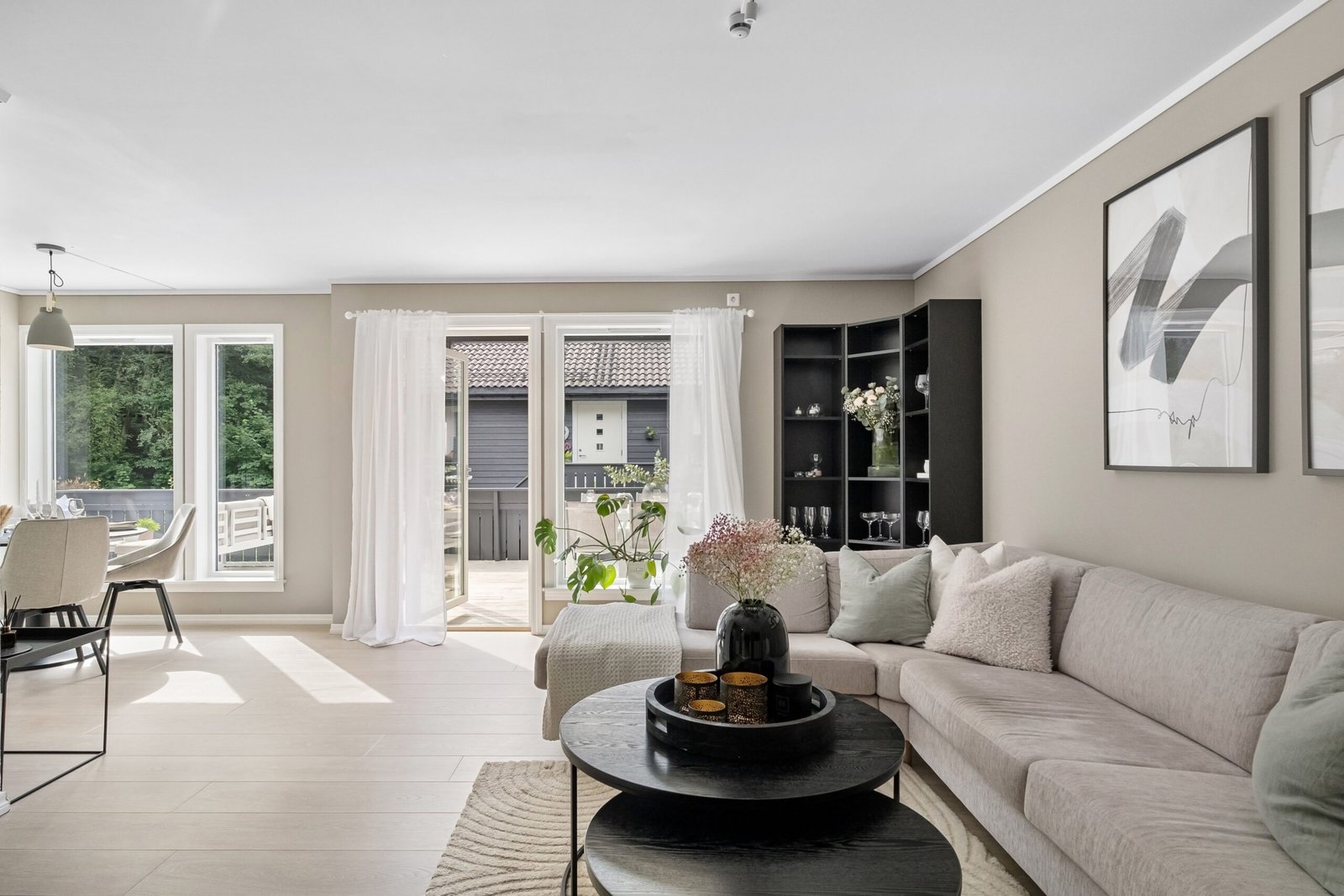
Scandinavian interior design is a home style built around light, simplicity, natural materials and everyday comfort. What Is Scandinavian Interior Design It grew out of the Nordic north, where long winters and short days made a bright, warm, uncluttered home feel less like a trend and more like a necessity. Walk into a Scandinavian room and you notice what is missing as much as what is there: no clutter, no heavy drapes, no objects that exist only to impress. What remains is pale wood, soft textiles, What Is Scandinavian Interior Design a calm palette and furniture chosen because it works well and looks good doing it.
Quick answer: Scandinavian interior design is a minimalist but cozy style from Denmark, Norway and Sweden. What Is Scandinavian Interior Design It combines white and neutral colors, light wood, natural textures, clean-lined functional furniture and plenty of daylight. Its goal is a calm, practical home where every item earns its place.
This guide explains what Scandinavian design is, where it really came from, how it differs from similar styles, and how to bring it into your own home room by room, including the mistakes that make the look go wrong.
Scandinavian Design at a Glance
- Palette: white, cream, soft gray and warm neutrals, with muted accents.
- Materials: light woods, wool, linen, cotton, leather, stone, ceramic and glass.
- Furniture: simple lines, slim legs, gentle curves and multipurpose pieces.
- Light: maximum daylight by day, warm layered lighting at night.
- Feeling: calm, airy, welcoming and uncluttered.
- Philosophy: good design should be functional, honest and available to everyone.
Where Did Scandinavian Design Come From?
Many guides say the style “began in the 1950s.” What Is Scandinavian Interior Design That date is when the world noticed it, not when it started. The real story unfolds in three stages.
Early 20th century: the foundations. Nordic craftspeople had long valued simple, durable, well-made objects. In the early 1900s that tradition met a new idea: good design should improve ordinary people’s lives, not just decorate wealthy homes. This democratic spirit is still the heart of the style.
The 1930s: functionalism takes hold. The 1930 Stockholm Exhibition introduced functionalist architecture and design to a wide audience, and the approach spread across the region. Around this period, designers such as Alvar Aalto in Finland, Josef Frank working in Sweden and Arne Jacobsen in Denmark were creating furniture and interiors that paired practicality with warmth. Aalto’s experiments with bent wood are one of the best-known examples.
The 1950s: global fame. A traveling show called “Design in Scandinavia” opened in the United States in 1954 and toured North American museums until 1957. It introduced furniture, ceramics, glass, textiles and lighting from the region to a huge new audience. In the same era the Lunning Prize, awarded from 1951 to 1970, honored outstanding Nordic designers. Postwar buyers wanted modern, affordable, livable homes, and Scandinavian design delivered exactly that.
The style has not stood still since. What Is Scandinavian Interior Design Today’s Scandinavian interiors keep the same principles while leaning toward softer shapes, richer texture and more sustainable choices.
Why Is Scandinavian Design Still So Popular?
Three reasons keep it relevant. First, it is flexible: because the base is neutral and simple, it blends easily with other eras and styles. Second, it suits small homes, since pale colors, slim furniture and smart storage make compact rooms feel larger. Third, it supports wellbeing. A calm, bright, uncluttered space is simply easier to live in, and that appeal does not depend on fashion.
Which Countries Does “Scandinavian” Include?
Strictly speaking, Scandinavia means Denmark, Norway and Sweden. Finland and Iceland are usually grouped with them as the Nordic countries. In interior design the two words are often used interchangeably, but there is a small difference. “Scandinavian” is the better-known label for the overall look, while “Nordic” is a wider geographic umbrella that also covers Finnish and Icelandic design traditions. What Is Scandinavian Interior Design Finnish designers such as Aalto are central to the story, which is why the labels overlap so much. What Is Scandinavian Interior Design Using “Scandinavian” for the style is perfectly fine; just be precise if you are writing about one specific country.
Scandinavian Design vs Similar Styles
People often mix Scandinavian design up with related ideas. Here is how they differ.
- Hygge: a Danish word for cozy contentment. It is a feeling or atmosphere, not a design style. Scandinavian interiors, with their candles, throws and warm light, are an ideal setting for it.
- Lagom: a Swedish idea meaning “just the right amount.” It explains why Scandinavian rooms feel balanced rather than extreme.
- Mid-century modern: it shares the era and the clean lines, but usually leans on richer, darker woods and bolder color, while Scandinavian stays lighter and softer.
- Japandi: a blend of Japanese and Scandinavian ideas. Both love simplicity and natural materials, but Japandi tends toward deeper, more muted tones.
- Minimalism: it strips a room back as far as possible, which can feel cold. Scandinavian design is minimal but deliberately warm and textured.
The 7 Principles That Define Scandinavian Interiors
1. Light comes first
Where winter days can be very short, light is precious. What Is Scandinavian Interior Design Walls are painted pale, windows stay clear or are dressed with sheer fabric, and mirrors and glossy surfaces bounce daylight deeper into the room. What Is Scandinavian Interior Design Furniture is kept slim or low so it does not block the glow.
2. A soft, restrained palette
Whites, creams, pale grays and warm neutrals form the base. Accents are muted rather than loud: dusty blue, sage, charcoal, clay or soft blush. Black appears in small doses, such as a picture frame or lamp base, to give the room definition.
3. Natural materials
Light woods such as birch, pine, ash, beech and oak are widely used in Nordic furniture, alongside wool, linen, cotton, leather, ceramics and stone. Because nature is the decoration, surfaces are often left visibly wood or fiber rather than painted over or hidden.
4. Function shapes form
Every piece has a job. A bench stores shoes, a bed has drawers, a stool doubles as a side table. What Is Scandinavian Interior Design Storage is treated as part of the design, so baskets, open shelves and wall hooks are chosen to look good in plain sight.
5. Texture instead of ornament
Minimalism can feel cold, so Scandinavian rooms get their warmth from touch rather than decoration: a chunky knit throw, a sheepskin on a chair, a wool rug, linen curtains, a ceramic vase with a rough glaze. What Is Scandinavian Interior Design Layer a few textures in the same color family and the room feels rich without being busy.
6. Nature indoors
Plants, branches in a vase, stone, visible wood grain and open views connect the room to the landscape. What Is Scandinavian Interior Design One or two healthy plants beat a jungle. In dim rooms, choose tough, low-light varieties.
7. Quality over quantity
Fewer, better things. A well-made chair that lasts decades is more Scandinavian than a cheap set replaced every few years. What Is Scandinavian Interior Design Buying slowly, choosing durable materials and caring for what you own is a core part of the philosophy.
How to Build a Scandinavian Color Palette
Think in three layers. What Is Scandinavian Interior Design About 60 percent of the room should be the base: walls, large rugs and curtains in white or soft neutrals. What Is Scandinavian Interior Design About 30 percent is supporting tone: wood furniture, the sofa and textiles in light gray, oat, sand or pale wood. What Is Scandinavian Interior Design The final 10 percent is accent: cushions, art, ceramics and plants in muted color or black. Treat this as a guideline, not a rule.
Undertone matters more than most people expect. In the northern hemisphere, north-facing rooms receive cooler light, so choose warm whites with a hint of cream to stop the room turning flat and gray. Bright south-facing rooms can handle cleaner, slightly cooler whites. Always test paint samples on the wall and look at them in the morning and the evening before committing.
Layer Your Lighting
By day, keep windows as clear as privacy allows. Sheer curtains soften glare without blocking light. After dark, avoid relying on one harsh ceiling bulb. What Is Scandinavian Interior Design Build three layers instead:
- Ambient: a ceiling or pendant light, ideally on a dimmer.
- Task: a reading lamp by the sofa or bed, a desk lamp at your workspace.
- Accent: candles, small table lamps and a floor lamp in a corner.
Choose warm white bulbs, usually labeled around 2700K, and place lights at different heights. This is the quickest way to make a room feel cozy.
Scandinavian Style Room by Room
Living room. Start with pale walls and a light sofa in linen or wool. Add a wooden coffee table, one large rug, a throw and a plant. Keep the media unit simple and the shelves edited.
Bedroom. Aim for low contrast and calm. Use linen or cotton bedding in white, oat or soft gray, a simple wooden bed frame, warm bedside lamps and a wool throw at the foot of the bed. Keep surfaces clear and art minimal.
Kitchen. White or pale cabinets with flat-front doors, a wooden worktop or open shelves, simple handles and a few ceramic or glass pieces on display. Wooden stools add warmth.
Dining room. A wooden table, simple chairs, a pendant light centered above and an uncomplicated centerpiece such as candles or a bowl of fruit.
Bathroom. White tiles, a wooden stool or tray for warmth, What Is Scandinavian Interior Design cotton or linen towels in neutral shades and a humidity-tolerant plant.
Entryway and home office. Wall hooks, a bench with storage and a mirror keep the entry tidy. In a home office, place the desk near a window and use one good lamp.
Iconic Pieces Worth Knowing
You do not need famous names to get the look, but they show the style’s DNA. Hans J. Wegner’s Wishbone chair, produced by Carl Hansen & Søn, shows how a few curves can make a chair feel light. Alvar Aalto’s Stool 60 proves simple bent wood can last generations. Poul Henningsen’s PH lamps, made by Louis Poulsen, show how to glare-proof and soften light. What Is Scandinavian Interior Design Arne Jacobsen’s Ant chair is a lesson in compact, stackable design. Inspired-by pieces can deliver the same feeling; if you buy originals, buy from a seller who can verify the maker.
8 Common Mistakes to Avoid
- Going all white and sterile. Add wood, texture and warm bulbs so the room feels lived in.
- Confusing minimal with empty. Scandinavian rooms are edited, not bare. Keep a few meaningful objects.
- Using cold gray everywhere. Choose warmer grays and mix in cream, oat and sand.
- Heavy dark furniture and thick curtains. They fight the light the style depends on.
- Matching everything. One wood tone across every surface looks like a showroom. Mix two complementary tones.
- Ignoring lighting. One overhead bulb flattens the room. Layer your light.
- Buying everything at once. Start with the base, then add pieces slowly as you find the right ones.
- Chasing trends over function. If you will not use it, it does not belong.
Small Spaces, Rentals and Budgets
Small rooms. Use light walls, furniture with visible legs so the floor shows, wall-mounted shelves and multipurpose pieces. What Is Scandinavian Interior Design A large mirror opposite a window doubles the sense of light.
Rentals. If you cannot paint, lean on textiles, lamps, rugs, plants and removable hooks to create the look.
Budget. Spend on what you use daily and what lasts: the sofa, key lighting and a solid dining table or chairs. Save on cushions, throws, vases and frames. Secondhand and vintage shops are excellent sources of wooden furniture. What Is Scandinavian Interior Design IKEA is a fair place to start, since it is a Swedish brand with accessible prices, but the style is much bigger than one store, so mix in other pieces for character.
How to Get the Scandinavian Look in 8 Steps
- Declutter and keep only what is useful or loved.
- Paint walls in a warm white or soft neutral.
- Clear your windows and use sheer fabric if needed.
- Lay a natural-toned rug on pale or wooden flooring.
- Swap one key furniture piece for a light-wood, simple-lined alternative.
- Layer ambient, task and accent lighting with warm bulbs.
- Add two or three textures and one or two plants.
- Edit again. Remove anything that does not earn its place.
Frequently Asked Questions
Is Scandinavian design the same as minimalism?
No. Both value simplicity, but Scandinavian design is warmer, with more texture, wood and comfort.
Is Scandinavian design only white?
No. White is the base, but muted blues, greens, grays, clay tones and black accents are common.
What is the difference between Scandinavian and Nordic design?
Scandinavia strictly means Denmark, Norway and Sweden, while Nordic also includes Finland and Iceland. The styles overlap heavily.
Is IKEA Scandinavian design?
IKEA is a Swedish brand and a popular entry point, but Scandinavian design is a wider tradition. Blending IKEA with vintage or handmade pieces usually looks better.
Can Scandinavian style work in a warm climate?
Yes. Light colors, airy layouts, linen, cotton and natural wood suit warm homes well. Swap heavy wool for lighter fabrics.
Is Scandinavian design expensive?
It can be, but it does not have to be. Edit what you own, buy slowly and mix budget finds with a few quality pieces.
Final Thoughts: What Is Scandinavian Interior Design
Scandinavian interior design is not a rigid set of rules. It is a way of thinking about home: let in light, choose natural materials, What Is Scandinavian Interior Design keep only what is useful or loved, and add warmth through texture instead of clutter. What Is Scandinavian Interior Design Start with the base of pale walls, clear windows and warm lighting, then build slowly. The result is a home that feels calm, bright and genuinely comfortable.