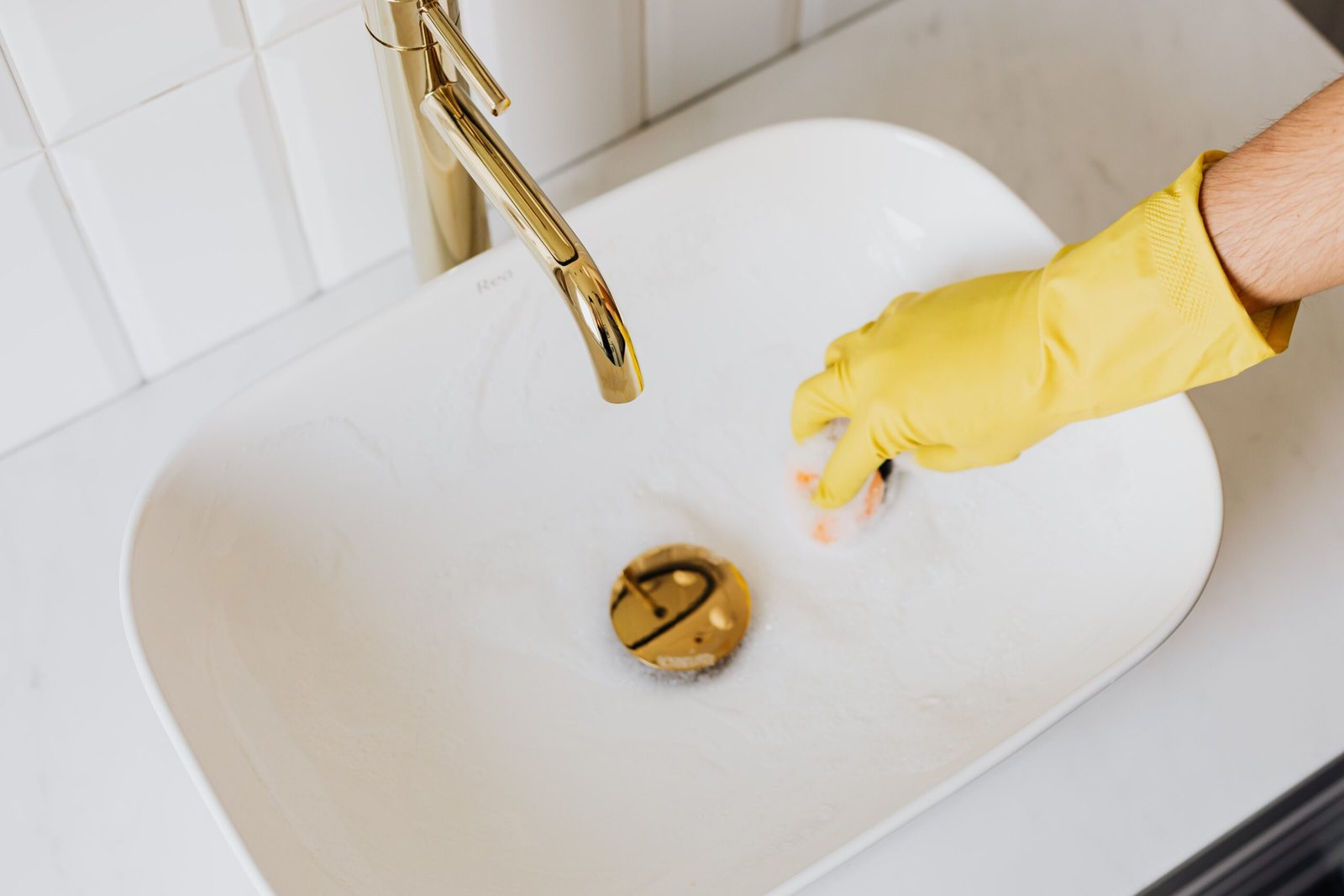
A sink that drains slowly, gurgles, or fills with standing water is a daily annoyance, but most clogs can be cleared at home with basic tools and a little patience. How to Unclog a Sink The key is to start with the gentlest fix, match the method to the type of clog, and know when to stop.
This guide shows you how to unclog a sink step by step, in the kitchen or the bathroom. You will learn which methods suit grease and which suit hair, How to Unclog a Sink which are safe for plastic (PVC) pipes, how to handle a garbage disposal, and which warning signs mean it is time to call a plumber.
Quick answer: Bail out standing water, clean the stopper or strainer, and flush with very hot water. Still slow? Try a cup plunger with the overflow sealed, then a drain snake, then clean the P-trap. Skip boiling water on plastic pipes, never mix drain cleaners with other products, and call a plumber if more than one drain is slow.
What You Will Need
Gather these before you start:
- Rubber gloves and safety glasses
- A bucket, old towels, and a flashlight
- A flat-bottomed cup plunger
- A zip strip or a small drain snake (auger)
- Pliers or a pipe wrench
- Liquid dish soap, baking soda, and white vinegar
- Optional: a wet/dry vacuum
Before You Start: A Quick Safety Check
Clogs hold dirty water and sometimes leftover chemicals, so prepare before you begin.
- Protect yourself. Wear rubber gloves and safety glasses.
- Know your pipes. Metal pipes handle hot water well, but boiling water can soften or loosen plastic (PVC) pipes and their joints. If you are unsure what your pipes are made of, use hot tap water instead.
- Switch off the disposal. If you have a garbage disposal, turn it off at the wall switch and never put your hand inside. How to Unclog a Sink Use tongs for anything stuck.
- Never mix products. Bleach plus vinegar releases toxic chlorine gas, and bleach plus ammonia produces toxic chloramine vapors. Do not combine a chemical drain cleaner with baking soda, vinegar, or anything else.
- Do not plunge after chemicals. If a store-bought drain cleaner is still sitting in the sink, do not plunge or snake, because caustic water can splash back. How to Unclog a Sink Follow the product label or ask a plumber.
- Prepare for spills. Keep a bucket, towels, and a flashlight nearby.
What Is Causing Your Clog?
Knowing the cause helps you pick the right fix. Kitchen sinks usually clog when grease cools and sticks to the pipe walls, How to Unclog a Sink trapping food scraps and coffee grounds. Bathroom sinks usually clog when hair, soap scum, and toothpaste build up slowly along the pipe walls.
Use this guide to choose a starting point:
- Greasy, slow kitchen drain: Try Method 3, then the plunger.
- Slow bathroom drain with hair: Try Methods 1 and 6.
- Soap film or toothpaste buildup: Try Methods 2 and 4.
- Standing water that will not move: Try Methods 5 and 7.
- A clog that keeps returning: The blockage is likely deeper than the trap, so use a snake or ask a plumber to inspect it.
Also check how widespread the problem is. If only one sink is slow, the clog is probably local and you can fix it yourself. If your tub, shower, or toilet is slow or backing up at the same time, the blockage may be in a shared line, and a plumber should take a look.
8 Methods at a Glance
Times are approximate. Always start with the easiest method.
- Method 1, clean the stopper or strainer: about 5 minutes, easy
- Method 2, very hot water: about 5 minutes, easy
- Method 3, dish soap and hot water: about 10 minutes, easy
- Method 4, baking soda and vinegar: 30 to 60 minutes of waiting, easy
- Method 5, cup plunger: about 10 minutes, easy to moderate
- Method 6, zip strip or drain snake: 15 to 20 minutes, moderate
- Method 7, clean the P-trap: 20 to 30 minutes, moderate
- Method 8, wet/dry vacuum: about 15 minutes, moderate
Method 1: Clean the Stopper or Strainer
Often the clog is just hair and grime sitting at the top of the drain.
Bathroom sink: Many pop-up stoppers lift straight out, and some need a quarter turn counterclockwise. How to Unclog a Sink If yours will not move, look under the sink for the pivot rod that connects to a strap behind the drainpipe. How to Unclog a Sink Squeeze the spring clip, slide the rod free, and lift the stopper out. Remove the hair and slime, rinse the stopper in another sink, and reinstall it in reverse order.
Kitchen sink: Lift out the basket strainer, wipe away food debris, and check the opening with a flashlight.
Method 2: Flush with Very Hot Water
Hot water loosens soap scum and light grease.
- Bail out standing water with a cup.
- Metal pipes: Pour a kettle or pot of boiling water slowly down the drain opening in three or four stages.
- Plastic or unknown pipes: Run the hot tap for two to three minutes instead.
- Aim at the drain, not the basin, because boiling water can damage porcelain.
If the water starts moving, keep the hot tap running for another minute to flush out loosened debris.
Method 3: Dish Soap and Hot Water for Grease
This works best on soft, fresh grease.
- Bail out standing water.
- Pour about ½ cup of liquid dish soap into the drain and wait a few minutes.
- Follow with very hot water (boiling only for metal pipes).
- Run the hot tap for a minute.
Hardened grease often needs a plunger or snake. How to Unclog a Sink Afterward, never pour grease down the drain. Let it cool and put it in the trash.
Method 4: Baking Soda and Vinegar
Baking soda and vinegar can help with slow drains caused by soap film, toothpaste residue, or mild grime, but set realistic expectations.
- Bail out standing water.
- Pour ½ cup of baking soda into the drain.
- Add ½ cup of white vinegar, then plug the drain or cover it with a damp cloth.
- Wait 30 minutes, or up to an hour for stubborn buildup.
- Flush with very hot water and repeat once if needed.
The fizzing loosens light buildup, but it rarely breaks up a solid mass of hair or hardened grease. It works better as a monthly maintenance step than as an emergency fix.
Method 5: Use a Cup Plunger
Use a flat-bottomed cup plunger, not the flanged type made for toilets.
- Remove the stopper or strainer.
- Seal the overflow opening with a wet rag or duct tape and hold it in place.
- On a double sink, block the other drain with a stopper or wet rag.
- Add enough water to cover the plunger cup.
- Press the plunger flat over the drain to form a seal, then pump firmly five to ten times.
- Pull the plunger away. If the water drains, run the hot tap to flush. If not, repeat a few times before moving on.
Method 6: Zip Strip or Drain Snake
Zip strip (best for hair): A zip strip is a thin plastic strip with barbed edges. How to Unclog a Sink Remove the stopper, slide the strip into the drain, wiggle it, and pull it out. Wipe off the hair and repeat until it comes out clean.
Drain snake (auger):
- Remove the stopper or strainer and feed the cable into the drain until you feel resistance.
- Lock the cable as the manufacturer directs, then turn the handle clockwise with moderate pressure.
- Extend more cable as the clog breaks up, then pull the cable out slowly and wipe off the debris.
- Flush with hot water.
Tips:
- Never force the cable. Many bathroom drains have stopper hardware that blocks a snake, so if it will not feed in easily, move on to the P-trap.
- Do not snake a garbage disposal.
- No snake? A straightened wire coat hanger with a small hook at the end can pull out hair. Feed it slowly and rotate it.
- If you use a drill-driven auger, follow the manufacturer’s instructions and use a low speed.
Method 7: Remove and Clean the P-Trap
The P-trap is the U-shaped pipe under the sink. It holds a little water that blocks sewer odors, and it often catches debris.
- Place a bucket under the trap. You do not need to shut off the water supply, but do not run the faucet while the trap is off.
- Loosen the slip nuts at both ends by hand. Use pliers or a wrench only if necessary, and take care with plastic nuts.
- Remove the trap and its washers, then empty it into the bucket.
- Clean the trap with a brush or wire and rinse it.
- Check the horizontal pipe leading into the wall with a flashlight or a snake.
- Reassemble with the washers seated as before, tighten the nuts by hand, then run water and check for leaks.
If the trap and nearby pipe are clear, the clog is farther down the line, and it is time to call a plumber.
Method 8: Wet/Dry Vacuum (Optional)
A wet/dry vacuum can work like a plunger with extra suction. How to Unclog a Sink Use only a vacuum designed for liquids. Set it to wet mode, remove the stopper, cover the overflow opening with a damp cloth, and hold the hose tightly against the drain. Run it in short bursts, then flush the drain with water to test it.
Special Tips for Kitchen Sinks
- Garbage disposal: Run it briefly to see whether that clears the drain. How to Unclog a Sink If not, switch it off at the wall before doing anything else, and do not snake it or reach inside. Use tongs for anything stuck.
- Double sinks: Block one side before you plunge the other, or the pressure will escape.
- Dishwasher: If your dishwasher drains through the disposal or sink, avoid running it until the clog is cleared, or dirty water may back up.
- Grease: Let cooking grease cool and put it in the trash, not the drain.
- Laundry and utility sinks: The same steps apply.
Special Tips for Bathroom Sinks
Bathroom drains are narrower and often have stopper hardware, so they clog differently.
- Start with the stopper, since hair and soap collect on and around it.
- Use a zip strip before a snake, because many bathroom drains will not accept a snake.
- Clean the stopper every month or two.
- Keep hair, floss, and cotton swabs out of the drain.
Should You Use a Chemical Drain Cleaner?
Chemical drain cleaners can clear some clogs, How to Unclog a Sink but treat them as a last resort. Many plumbers advise against frequent use because the products can be harsh on pipes and fixtures, and they are hazardous to skin, eyes, and lungs.
If you decide to use one:
- Check the label for your pipe type and whether it is safe for disposals.
- Wear gloves and eye protection, and ventilate the room.
- Never mix it with another product, and do not plunge or snake afterward.
- Follow the instructions exactly.
Milder enzyme-based cleaners are designed for maintenance rather than emergency clogs.
When to Call a Plumber
Stop the DIY work and call a licensed plumber if:
- More than one drain is slow or backing up, such as the tub, shower, or toilet.
- You hear gurgling from drains or smell sewage or other foul odors that persist.
- The sink is still clogged after you have cleaned and snaked the trap.
- The clog keeps coming back.
- You see leaks, corrosion, or damaged pipes.
- You are not comfortable removing pipes or using tools.
A plumber can diagnose deeper blockages, such as problems in the main line, and clear them without damaging your pipes. How to Unclog a Sink Costs vary by area, so ask for a quote before any work begins.
How to Prevent Sink Clogs
- Use a strainer in the kitchen sink and a hair catcher in the bathroom.
- Keep grease, coffee grounds, eggshells, and fibrous vegetable scraps out of the drain.
- Flush the drain with hot water after washing greasy dishes.
- Run cold water while the disposal is running, and do not overload it.
- Clean the bathroom stopper regularly.
- Use baking soda and vinegar once a month as light maintenance.
Frequently Asked Questions
What is the fastest way to unclog a sink?
For standing water, a cup plunger with the overflow sealed is usually the fastest option. For a slow drain, very hot water or dish soap may be enough. Working through the methods in order is quicker than jumping straight to the hardest one.
Does baking soda and vinegar really unclog a sink?
It can help loosen light buildup such as soap film, but it rarely clears a solid hair or grease clog. Use it as a gentle first step or monthly maintenance, and move on to a plunger or snake if the sink stays slow.
Can I pour boiling water down a clogged sink?
Only if you have metal pipes. Boiling water can soften or loosen PVC pipes and can damage porcelain if it is poured onto it. When you are unsure, use very hot tap water.
Why is my sink worse after plunging?
Plunging can push a clog deeper or pack it tighter, and a leaking seal or an open overflow lets pressure escape. If the blockage is farther down the line, a plunger cannot reach it. Try a snake or clean the P-trap.
Can I pour bleach down a clogged drain?
It is not recommended. Bleach will not dissolve hair or hardened grease, and it can react dangerously with vinegar, ammonia, or leftover drain cleaner.
Final Thoughts
Learning how to unclog a sink is mostly about order and safety. Start with the stopper and hot water, move on to soap, baking soda, and vinegar, How to Unclog a Sink then try the plunger, snake, and P-trap. How to Unclog a Sink Match the method to your pipes, avoid mixing chemicals, and stop when the problem looks bigger than a single sink. How to Unclog a Sink Once the water is flowing again, a strainer, a monthly flush, and a little care about what goes down the drain will keep it that way.