Contemporary interior design is a flexible way to create a home that feels current, comfortable, and carefully arranged without making every room look the same. It blends clean lines, functional furniture, natural textures, and well-chosen colors. What Is Contemporary Interior Design The result can be a calm, uncluttered space or a more expressive one with sculptural pieces, bold artwork, and contrasting finishes.
If you have ever wondered what is contemporary interior design, the short answer is that it follows the present moment. What Is Contemporary Interior Design Unlike modern interior design, which refers to a historical movement, contemporary design keeps changing as tastes, materials, and lifestyles change. What Is Contemporary Interior Design It borrows from other modern design styles and adapts them to everyday living.
You don’t need a full renovation to get the look. Adjusting your layout, lighting, color palette, and accessories can refresh contemporary home decor on almost any budget. Once you understand the basics, you can build contemporary interiors that feel cohesive and still personal.
What Is Contemporary Interior Design?
Contemporary interior design is an evolving approach to decorating that reflects current aesthetics while balancing function, clean lines, thoughtful materials, and personal expression. It often features restrained color palettes, streamlined furniture, natural textures, and carefully chosen accents, although the exact mix shifts with trends and individual taste.
The main goal is to make a space attractive and practical at once. What Is Contemporary Interior Design Furniture should suit the room, materials should suit the household, and decorative pieces should add to the overall look rather than compete for attention.
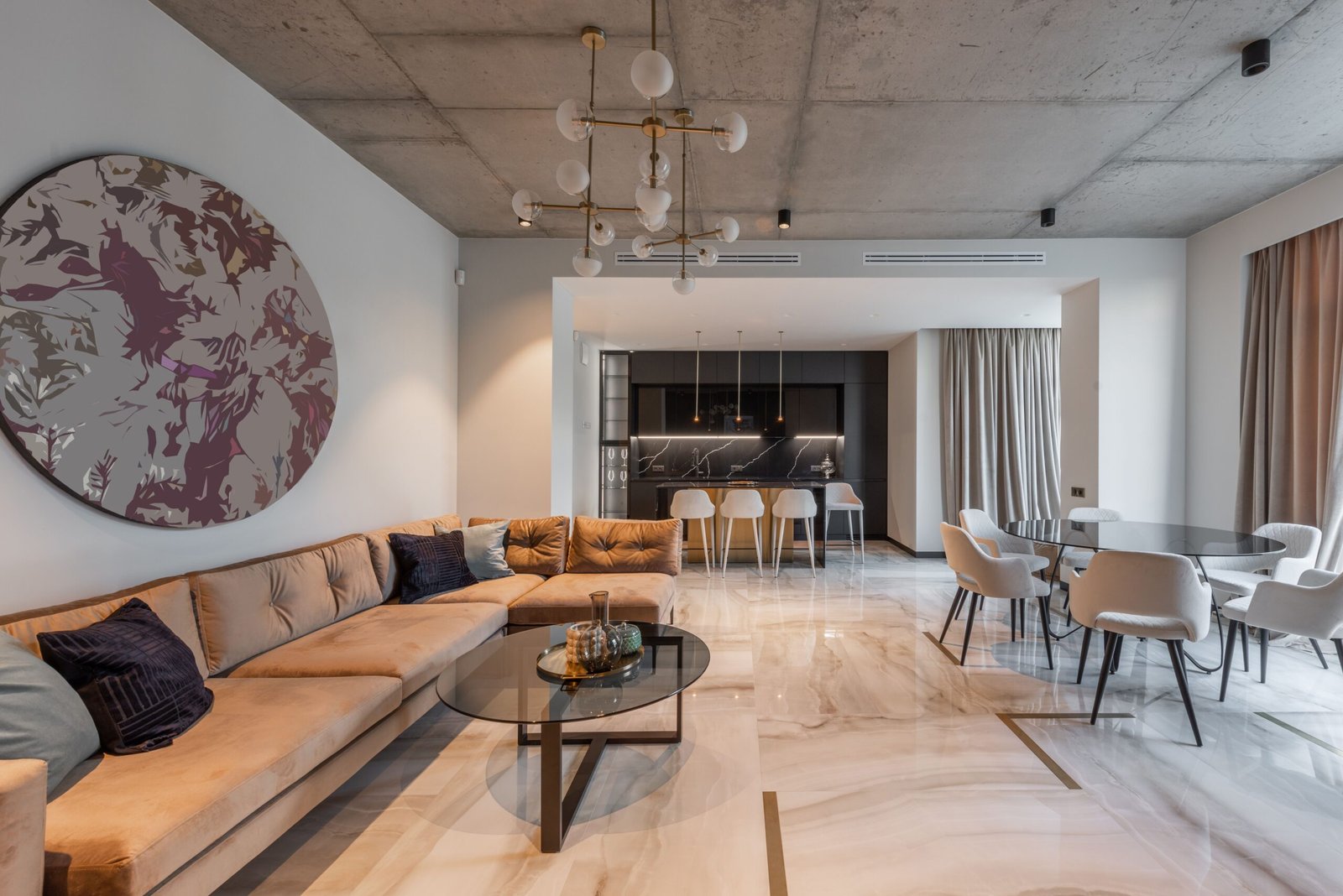
A typical contemporary house interior includes open layouts, comfortable seating, simple cabinetry, statement lighting, and a blend of natural and manufactured materials. What Is Contemporary Interior Design No single element is mandatory, though. A contemporary home interior might pair a curved sofa with a wood dining table, textured walls, or colorful art against a neutral backdrop. That openness is exactly why the contemporary design style appeals to so many people.
The Evolution of Contemporary Interior Design
Contemporary design doesn’t belong to one fixed period. It develops as architects, designers, homeowners, and manufacturers respond to new materials, technologies, and preferences.
Earlier movements still shape it. Modernism contributes a love of simplicity and functional form, while Scandinavian interiors inspire natural materials and practical comfort. Contemporary scandinavian interior design, for example, leans on pale wood, soft textiles, and plenty of daylight. What Is Contemporary Interior Design Other homes borrow from traditional furniture, industrial finishes, or expressive shapes.
As a result, today’s rooms can look very different from one another. One home might lean toward warm wood, soft curves, and earthy tones, while another uses glass, polished metal, and strong geometry. Both can fit the definition of modern contemporary interior design. What Is Contemporary Interior Design The useful lesson is to follow the principles behind the style rather than copy one photograph or trend.
The Philosophy Behind Contemporary Interiors
A contemporary room should feel intentional. Each major element has a purpose, whether practical, decorative, or both.
Start with how the room is used. A family living room needs comfortable seating, accessible storage, and clear space to move around. A bedroom benefits from restful colors, convenient bedside lighting, and furniture that doesn’t block circulation.
Visual balance matters too. A large sofa may need a substantial rug or artwork to balance it, and a simple dining table becomes a focal point beneath an interesting pendant light. A room doesn’t have to look empty to feel organized, either. Books, plants, photographs, and collected objects all belong when they’re arranged thoughtfully.

Key Characteristics of Contemporary Interior Design
Although contemporary room design varies widely, several traits tie the style together.
Clean Lines and Streamlined Shapes
Clean lines appear in furniture, cabinetry, and architectural details. What Is Contemporary Interior Design They create order and help different pieces work together. A sofa with a simple silhouette, a rectangular dining table, or flat-front kitchen cabinets can set the foundation, while curved furniture and round mirrors soften the effect.
The goal isn’t to strip away every decorative detail but to balance shapes. If your living room already has a distinctive coffee table, choose simpler side tables and quieter accessories so the unusual piece can stand out. Simple modern interior design relies on this kind of restraint.
Open Spaces and Functional Layouts
Contemporary interiors prioritize clear circulation and a sense of openness. What Is Contemporary Interior Design That doesn’t require an open-plan floor. A small flat or a traditional house can follow the same principles through careful furniture placement.
Keep frequently used pathways clear and avoid oversized furniture that blocks doors, windows, or storage. If a room serves several purposes, define each zone with rugs, lighting, or furniture arrangement. What Is Contemporary Interior Design This approach works especially well for contemporary apartment decor and modern interior design for small house projects, where a compact sofa, wall-mounted shelving, or a slim dining table often beats a large statement piece. Negative space, What Is Contemporary Interior Design the open area around furniture and objects, is just as valuable because it lets key elements stand out.
Natural Light and Layered Lighting
Lighting shapes both the look and the function of a room. Contemporary interiors make good use of daylight and combine several kinds of artificial light.
Ambient lighting, such as recessed fixtures or ceiling pendants, provides general illumination. What Is Contemporary Interior Design Task lighting supports reading, cooking, or working. Accent lighting highlights artwork and architectural details. What Is Contemporary Interior Design In a living room, you might combine ceiling lights with a floor lamp beside the sofa and a small table lamp near a reading chair. Sheer curtains soften daylight, while lined curtains add privacy and light control.
Texture, Contrast, and Statement Pieces
Texture adds depth, especially when the palette is restrained. Pair smooth wood with woven fabric, matte surfaces with subtle metal details, or a soft rug with a stone coffee table. These contrasts keep a room from feeling flat.
A statement piece, such as an oversized painting, a sculptural chair, or a striking pendant, can anchor the space. Choose it according to the room: artwork above a sofa, a pendant over a dining table. Too many competing focal points make a room feel busy.
Contemporary Interior Design Color Palettes
Color sets the mood and connects rooms. Neutrals are common, but the style allows plenty of variation.
Neutral Colors and Warm Undertones
White, cream, beige, taupe, gray, and greige give furniture and textiles a flexible backdrop. Undertones matter: a warm white may lean yellow, while a cool white can look slightly blue. Warm modern interior design often relies on beige and creamy whites, and warm contemporary interior design adds touches of oak, brass, and terracotta for comfort. Gray can look crisp or subdued depending on the light.
Test paint samples on several walls before committing, and check them in daylight and artificial light, because the same shade changes throughout the day.
Bold Accent Colors and Contrasting Shades
Neutral walls don’t require neutral everything else. What Is Contemporary Interior Design Deep green, navy, rust, terracotta, burgundy, or muted blue can add character without overwhelming a room. Even dark modern interior design can feel welcoming when charcoal walls meet warm lighting and natural wood.
Use accents where they’re easy to change, such as cushions, blankets, lampshades, and artwork. What Is Contemporary Interior Design For a bolder approach, try a colored accent chair or one feature wall and keep the other large elements restrained.
Building a Balanced Color Scheme
A balanced scheme usually includes a main color, supporting shades, and a few accents. Warm white walls might pair with a medium wood floor, a beige sofa, charcoal lighting, and olive-green accessories. Another room might combine gray walls, natural oak, cream upholstery, and dark blue art. Always consider permanent finishes first, since flooring, countertops, and tile already contribute color.
Materials and Finishes
Materials shape a room’s character and its maintenance needs. Contemporary design often combines natural finishes with glass, metal, concrete, and soft textiles, and natural modern interior design leans most heavily on wood, stone, and fibers.
Wood adds warmth through flooring, furniture, and shelving. Lighter woods feel airy, while darker finishes add weight. Stone suits countertops, bathrooms, and fireplace surrounds. Cotton, linen, jute, and wool bring tactile variety to rugs and upholstery. Choose materials for their intended use, since a delicate surface that suits a decorative table may not survive a busy family kitchen.
Glass makes a room feel lighter in coffee tables, cabinet doors, and partitions. Black hardware creates a defined outline, while brushed brass and stainless steel give different effects. Concrete-inspired surfaces and polished stone bring an architectural feel, which is why industrial modern interior design often uses them in kitchens and living spaces.
Textiles stop contemporary rooms from feeling cold. What Is Contemporary Interior Design A space with smooth cabinetry, a glass table, and metal lighting benefits from a thick woven rug or textured upholstery. Soft contemporary interior design depends on these layers to feel inviting.
Contemporary Furniture and Decor
Furniture should support the room’s function while adding to its look. Contemporary interior design furniture can have straight edges, rounded profiles, low silhouettes, or sculptural shapes. What Is Contemporary Interior Design Measure the room before buying large pieces, and check doorways and stairwells so everything can be moved in. Consider seating depth, fabric upkeep, and daily routines rather than choosing a sofa because it looks good in a showroom. Good modern interior furniture is judged by proportion and function more than by brand.
A distinctive light fixture can make a room feel designed with few accessories. Try a pendant over the dining table, a floor lamp by a reading chair, or wall lights in a bedroom. Artwork adds personality, from abstract prints to photography and framed personal pieces. Hang it at a comfortable height and match its scale to the wall.
Chic modern home decor works best when it’s selective. Group objects of different heights on a shelf and leave breathing room between them. Use trays to organize coffee tables and dressers, and let closed storage hide everyday clutter. What Is Contemporary Interior Design Personal belongings belong in contemporary homes; they simply need enough space to be appreciated. Modern interior planters are an easy way to add life without crowding a surface.

Contemporary Design Room by Room
The same principles work throughout a home, but each room has different needs.
Contemporary Living Room Design
For contemporary interior design living room projects, begin with the main seating arrangement so people can talk and move around comfortably. What Is Contemporary Interior Design A properly sized rug connects the seating area, and a coffee table with side tables handles drinks, books, and lamps. Pick one focal point, such as art, a fireplace, or a distinctive fixture. Modern interior design living room schemes often keep storage simple so the seating takes center stage.
Contemporary Bedroom Design
A contemporary bedroom interior design plan should feel calm, not empty. Start with a suitable bed, functional bedside tables, and easy movement. What Is Contemporary Interior Design Neutral bedding creates a versatile base, and a textured blanket or a few contrasting cushions add depth. A modern bedroom interior design often uses an upholstered headboard to soften hard flooring. Bedside lamps or wall lights reduce reliance on overhead lighting.
Contemporary Kitchen Design
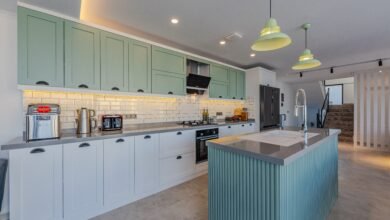
Contemporary kitchen interior design usually features streamlined cabinets, simple hardware, coordinated finishes, and practical work surfaces. Flat-front cabinetry looks clean, and wood accents or contrasting countertops add warmth. Open shelving can display favorite items but needs regular tidying. In a modern interior design kitchen, put practical storage first, keep work areas clear, and add task lighting so countertops are easy to use.
Contemporary Bathroom Design
For contemporary interior design bathroom spaces, clean-lined vanities, simple fixtures, and coordinated surfaces set the tone. A restrained palette helps a small room feel consistent, while a contrasting mirror or tile detail adds interest. What Is Contemporary Interior Design Choose materials suited to moisture and cleaning, and place good lighting around the mirror. Electrical work near water should meet local codes and be handled by qualified professionals.
Dining Room, Entryway, and Home Office
Contemporary interior design dining room schemes rely on a well-proportioned table, comfortable chairs, and a statement pendant, with enough room to pull chairs out easily. An entryway benefits from a narrow console, wall hooks, a small bench, or a shoe cabinet.
For work areas, contemporary home office decor and modern home office interior design both favor a tidy desk, supportive seating, and layered lighting. A contemporary interior design office can still feel personal with a favorite print or a plant.
Contemporary vs. Modern vs. Minimalist Interior Design
These styles overlap, so people often use the names interchangeably. The differences lie in their origins and priorities.
Contemporary and Modern Interior Design
Contemporary and modern interior design are not identical. Contemporary design reflects current preferences and changes over time. What Is Contemporary Interior Design Modern design refers to a historical movement from the late nineteenth and twentieth centuries, tied to modernist architecture. Modern interiors emphasize functional form, simple geometry, and limited ornament. Contemporary interiors can use those features while adding newer trends, curved silhouettes, expressive art, and a broader mix of materials. If you are asking what is modern interior design, think of a defined historical look; contemporary is its ever-changing cousin.
Contemporary Design vs. Minimalism
Minimalism reduces a space to essentials, with restrained color and limited furnishings. Contemporary minimalist interior design is one possible version of the style, but contemporary rooms can also include bold art, layered textiles, and meaningful collections.
| Style | Best For | Key Benefit | Limitation |
| Contemporary | People who want a current, adaptable interior | Flexible mix of styles and materials | Can become trend-driven without thoughtful choices |
| Modern | People drawn to a historically rooted look | Recognizable principles and clean forms | May feel restrictive if read too narrowly |
| Minimalist | People who prefer fewer, carefully chosen items | Visual simplicity and less clutter | Can feel sparse without texture and comfort |
| Transitional | People who want classic and current elements together | Traditional warmth with updated forms | Needs balance to avoid looking inconsistent |
Transitional contemporary interior design deserves a mention because it blends traditional and contemporary influences, What Is Contemporary Interior Design as when a classic upholstered chair sits beside a streamlined table. What Is Contemporary Interior Design Classic contemporary interior design works similarly, pairing timeless forms with current finishes.
Contemporary Style Variations to Explore
Part of the style’s appeal is how well it combines with other looks.
- Coastal contemporary interior design uses white, sand, and soft blue with natural fibers, and contemporary coastal interior design adds weathered wood and airy linen.
- Contemporary farmhouse interior and rustic modern interior design bring in reclaimed wood, simple hardware, and cozy textiles.
- Mid century modern interior design contributes tapered legs, teak, and compact, graphic silhouettes.
- Organic modern interior design favors earthy neutrals, curves, and handmade textures.
- Contemporary eclectic interior design layers pattern, color, and collected objects.
- Modern art deco interior design adds geometric detail and metallic accents.
- Contemporary japanese interior design focuses on calm lines, low furniture, and natural materials.
- Luxury modern interior design uses premium materials, careful lighting, and generous proportions.
Each variation keeps the same core ideas: clear function, considered materials, and balanced composition.
Contemporary Interior Design on a Budget
A contemporary home doesn’t demand a total overhaul. Start with changes that improve layout, comfort, and consistency.
Remove items that no longer serve a purpose, then reconsider furniture placement. Sometimes a room feels crowded simply because the sofa blocks a path. What Is Contemporary Interior Design Try rearranging before buying anything, and keep the books and objects you love, What Is Contemporary Interior Design since editing is not the same as removing everything personal.
Lighting, curtains, cushions, and rugs can change a room’s mood without replacing major furniture. Swap a dated lampshade, add a textured throw, or hang curtains that complement the walls. What Is Contemporary Interior Design Make changes gradually so you can see how each update affects the room.
Older furniture can work beautifully here. Mixing modern and traditional decor, such as a vintage dresser beside simple modern pieces, adds depth, and mixing antique and modern decor helps a room feel collected rather than staged. What Is Contemporary Interior Design A room where every item comes from one collection can feel flat.
To create a contemporary interior step by step: choose a cohesive base palette, arrange furniture for comfort and movement, combine streamlined shapes with tactile materials, layer ambient, task, and accent lighting, and finish with artwork and a few meaningful accents.
Common Contemporary Design Mistakes to Avoid
Making the space feel cold. Too many hard surfaces, cool colors, and bare areas feel uncomfortable. Balance them with wood, soft upholstery, warm light, and personal objects. Even a mostly white room feels inviting with varied texture.
Overusing trends or matching everything. Copying every popular feature can leave a room inconsistent. Choose elements you will still enjoy next year, and avoid buying one matching set just for convenience.
Ignoring comfort, scale, and function. Oversized chairs crowd a small room, decorative lighting may fail as task lighting, and open shelving creates extra cleaning. What Is Contemporary Interior Design Think about daily routines, storage, and clear pathways as much as appearance.
Is Contemporary Interior Design Right for Your Home?
Contemporary interior design suits homeowners and renters who like a current look, practical layouts, and a balance between simplicity and personality. What Is Contemporary Interior Design It adapts to apartments, traditional houses, compact rooms, and large open-plan spaces, and works equally well for a contemporary cottage interior design or a city flat with urban contemporary interior design touches. What Is Contemporary Interior Design It is especially appealing if you like clean furniture shapes but don’t want to give up colorful art, treasured possessions, or comfortable textiles.
Frequently Asked Questions
1. What is contemporary interior design?
It is an evolving decorating approach that reflects current tastes, combining functional layouts, clean lines, considered materials, balanced colors, and personal details.
2. What does contemporary mean in interior design?
It means designed for the present. Contemporary interiors respond to current trends rather than a single historical period.
3. What is the difference between modern and contemporary interior design?
Modern design is a historical movement, while contemporary design keeps evolving and may borrow from modernism and other styles.
4. Is contemporary interior design the same as minimalism?
No. Minimalism reduces a room to essentials, while contemporary design can include expressive art, varied textures, and contrasting materials.
5. What colors suit contemporary interiors?
White, cream, beige, taupe, gray, and greige make good foundations. Deep green, navy, rust, or terracotta add contrast.
6. Can contemporary design work in a small home?
Yes. Use right-sized furniture, clear pathways, practical storage, layered lighting, and a cohesive palette.
7. How do I make contemporary interiors feel warm?
Add natural wood, soft rugs, textured fabrics, warm lighting, plants, and meaningful objects.
8. Is contemporary interior design expensive?
Not necessarily. Rearranging furniture, decluttering, and updating lighting and textiles can refresh a room affordably.
Final Thoughts on Contemporary Interior Design
Understanding what contemporary interior design means makes it easier to create a home that feels current without sacrificing comfort or personality. Clean lines, functional furniture, balanced colors, natural textures, and thoughtful lighting form a strong foundation that adapts to nearly any household.
Begin with one room. Improve the furniture layout, clear unnecessary clutter, or add a texture that complements your palette, and bring in new pieces only when they solve a real problem. The best contemporary interiors aren’t the most expensive or the most minimal. They are the ones where furniture, materials, lighting, and decor work together to support everyday life.
Ready to refresh your home? Explore more interior design ideas to discover practical ways to choose colors, arrange furniture, and create spaces that feel both contemporary and comfortable.